Industry guides, compliance updates, OEM/ODM processes & global supply chain strategies.
Learn how to take your custom toy designs from initial concept to mass production in Vietnam.
In-depth analysis of EN71, ASTM F963, and CPSIA compliance for international buyers.
Choosing a child’s first bike or ride-on toy is about more than bright colors. Fit, stability, age guidance, and easy-to-use brakes matter on real pavements and in small driveways. The World Health Organization’s 2020 physical activity guidelines recommend an average of at least 60 minutes of moderate-to-vigorous activity daily for children aged 5–17. Yet a WHO-backed 2019 study found that 81% of school-going adolescents worldwide were not active enough. Small invitations to move can matter.
WHO physical activity expert Dr. Fiona Bull said, “Being physically active is critical for health and well-being – it can help add years to life and life to years.” A bike ride or a push-powered toy is not a substitute for varied daily activity. It can, however, make movement feel like play. Little legs. Fresh air. One more lap around the garden.
This guide compares ten Children Bikes & Ride-On Toys for different ages, spaces, and skill levels. We consider practical details: seat and handlebar adjustability, wheel stability, steering, materials, and storage. Product descriptions and age labels are useful starting points, not guarantees of a perfect fit. Children grow quickly; even a promising pick may need a second look beside your child. Check the manufacturer’s instructions, supervise play, and choose protective gear suited to the activity.
A child’s bike fit starts with wheel size, but the number alone cannot make the decision. A 12-inch bike often suits early riders who need a low frame and an easy reach to the handlebars. On a 16-inch bike, many children gain room to pedal farther, while a 20-inch model can suit taller or more confident riders. Age charts offer a rough guide, not a fit guarantee.
Check the child’s inseam against the bike’s stand-over height. They should be able to stand over the frame with some clearance and reach the ground comfortably while seated, depending on the bike’s design. Have them hold the handlebars and squeeze the brakes; small hands should manage the levers without stretching. A brief test ride on a flat, quiet surface can reveal awkward steering or a saddle that feels too high. Keep it simple.
Buying a larger wheel size for “room to grow” can backfire. A bike that feels heavy or hard to control may discourage practice, even if the child will eventually fit it. Wheel size also varies in feel across frame designs, so compare the actual bike rather than relying only on a chart. Fit guides are useful, but they can miss the child standing right in front of you.
ASTM F963-23 is incorporated into federal toy safety regulations under 16 CFR Part 1250. It applies to toys intended for children 12 and younger, including many ride-on toys. CPSC age-grading guidance considers developmental skills, play behavior, and foreseeable use—not just a child’s age. A ride-on marked for toddlers should suit their balance, reach, and ability to stop. Small details matter. Check seat height, reachable controls, stability, and places where fingers could be pinched. An age label can look reassuring, but it cannot replace checking whether the toy fits the child.
The CPSC’s 2023 toy-related injury report estimated 231,700 emergency-room-treated injuries involving toys among children 14 and younger. This figure covers many kinds of toys, not ride-ons alone, but it highlights why age guidance deserves attention. For a child’s first ride, an adult can check the instructions, weight limits, and intended surface, then watch how the child handles turns and stops. I would not treat one successful test as proof of lasting fit; children’s coordination changes quickly. Pedal bicycles may fall under separate CPSC bicycle requirements in 16 CFR Part 1512, so ASTM F963 alone may not address every product.
Age ranges shown are regulatory thresholds, not recommended ages for a particular ride-on toy.
ASTM F963 generally covers toys intended for children under 14, subject to the standard’s scope and exclusions. CPSC small-parts rules prohibit small parts in products intended for children under 3; toys intended for children ages 3 to under 6 that contain small parts generally require a choking-hazard warning. Age grading depends on the product’s intended use and other factors, so check the applicable requirements for each product. Sources: CPSC small-parts guidance and CPSC toy safety guidance.
Top 10 Children Bikes and Ride On Toys to Buy
For toddlers who are still building balance, an adult-steered tricycle offers support, while a low ride-on car lets them push with their feet. A rocking toy suits supervised indoor play. Around age two or three, many children enjoy a balance bike, a three-wheel scooter, or a pedal tricycle. Each helps develop different movement skills. For children ready to pedal, consider a small bicycle with training wheels or a compact two-wheel bike. Older, more confident riders may suit an adjustable-seat bicycle. A sturdy foot-powered ride-on can also work for children who prefer scooting over pedaling. These are ten useful options, not a strict age ladder. Children develop at different speeds, and age labels can be blunt guides.
Skill matters as much as age. Check that a child can sit comfortably, reach the controls, and stop with confidence. A bike that is too large may feel intimidating, even if the child is tall enough on paper. I have found that preferences change quickly; a toy chosen with care may still sit unused for a while.
Tips: Try the toy on a flat, open surface. Check fit, moving parts, and manufacturer guidance before each ride. Use a properly fitted helmet for wheeled rides, and stay close to young children.
When choosing children’s bikes and ride-on toys, helmet fit deserves as much attention as wheel size or seat height. The CDC reports that bicycle helmets reduce the risk of head injury by about 60%. That figure describes risk reduction, not a guarantee for any single crash. A helmet cannot make a child invulnerable. It can, however, add meaningful protection during a wobble, sudden stop, or fall onto pavement.
The U.S. Consumer Product Safety Commission’s bicycle helmet standard sets performance requirements, but a certified helmet still needs to fit correctly. Set it level on the head, with the front edge just above the eyebrows; tighten the straps so they form a V below each ear. It should stay put when the child shakes their head. Fit matters. For a balance bike or ride-on toy, check the helmet every time: small adjustments can loosen straps, and children grow quickly. I would not assume a helmet that fit last month still fits today. That is easy to miss.
CDC injury-prevention guidance supports making helmets part of every ride, even on short trips close to home. Choose a helmet intended for cycling, inspect it for cracks after a fall, and replace it if damaged. The less glamorous step is often the useful one: ask the child to buckle up, then check the fit yourself.
| Ride or Toy Type | Typical Use | What to Check Before Buying | Helmet Choice | Safety Note |
|---|---|---|---|---|
| Balance bike | Young children learning steering and balance; usually propelled by pushing with their feet. | Check that the child can sit on the saddle with both feet flat on the ground and can reach the handlebars comfortably. | Use a properly fitted bicycle helmet that meets the applicable bicycle-helmet safety standard. | Practice on flat, traffic-free surfaces and supervise closely. |
| Small-wheel pedal bicycle | Children learning to pedal, often on quiet paths or in supervised outdoor areas. | Choose a frame and seat height that allow the child to stop and put their feet down confidently while learning. | Use a bicycle helmet that sits level, covers the forehead, and stays secure when the child shakes their head. | Check brakes, tires, and handlebar height regularly; teach stopping before riding near others. |
| Pedal bicycle with training wheels | Early pedaling practice while the child develops steering and braking skills. | Confirm the child can reach the brake controls and that training wheels are firmly attached and adjusted. | Use a properly fitted bicycle helmet for every ride, including practice rides. | Training wheels do not replace supervision or instruction in braking and looking for hazards. |
| Single-speed children’s bicycle | Everyday riding on suitable paths, sidewalks where permitted, or other low-traffic areas. | Check the size chart, brake operation, chain guard, and whether the child can control the bicycle comfortably. | Select a bicycle helmet certified for bicycle use in the location where it will be used. | Teach children to stop at crossings and ride away from moving traffic whenever possible. |
| Children’s bicycle with multiple gears | Longer rides or routes with gentle hills for children able to operate the controls reliably. | Make sure the child can shift gears without losing control and can use both brakes properly. | Use a correctly sized bicycle helmet; replace it if damaged or involved in a significant impact. | Practice shifting and braking in a safe, open area before riding on a route with hills. |
| Three-wheel pedal tricycle | Early pedaling and steering practice, typically on flat, smooth surfaces. | Check stability, seat support, steering range, and the age and weight limits stated by the maker. | A well-fitted bicycle helmet is a sensible choice for outdoor riding; check local guidance. | Use away from slopes, driveways, and vehicle traffic; tricycles can tip when turned sharply. |
| Kick scooter | Foot-powered travel and play on smooth, dry, traffic-free surfaces. | Check that the child can reach the brake, grip the handlebars, and control the scooter’s deck size. | Use a bicycle helmet that fits securely; follow local rules and the scooter maker’s safety guidance. | Closed-toe shoes and supervision help reduce common fall and foot-injury risks. |
| Ride-on push toy | Very young children pushing themselves along at walking speed, indoors or on level surfaces. | Check stability, smooth edges, secure wheels, and the stated age and weight limits. | Helmet needs depend on the toy and setting; follow the maker’s instructions and local advice. | Keep away from stairs, pools, driveways, and uneven or sloped ground. |
| Foot-to-floor ride-on toy | Young children using their feet to propel a low ride-on toy at low speed. | Choose a stable design that fits the child and inspect the wheels, steering, and seat before use. | For outdoor use, consider a properly fitted helmet when advised by the maker or local guidance. | Use only on a level, enclosed surface and keep the toy out of vehicle areas. |
| Battery-powered ride-on toy | Supervised, low-speed play on a surface and within limits specified by the manufacturer. | Check the age and weight limits, maximum speed, braking method, battery instructions, and required adult supervision. | Follow the manufacturer’s and local safety guidance for the specific vehicle; do not assume bicycle-helmet statistics directly measure protection for these toys. | Use only in a controlled area away from roads, slopes, water, and other hazards. |
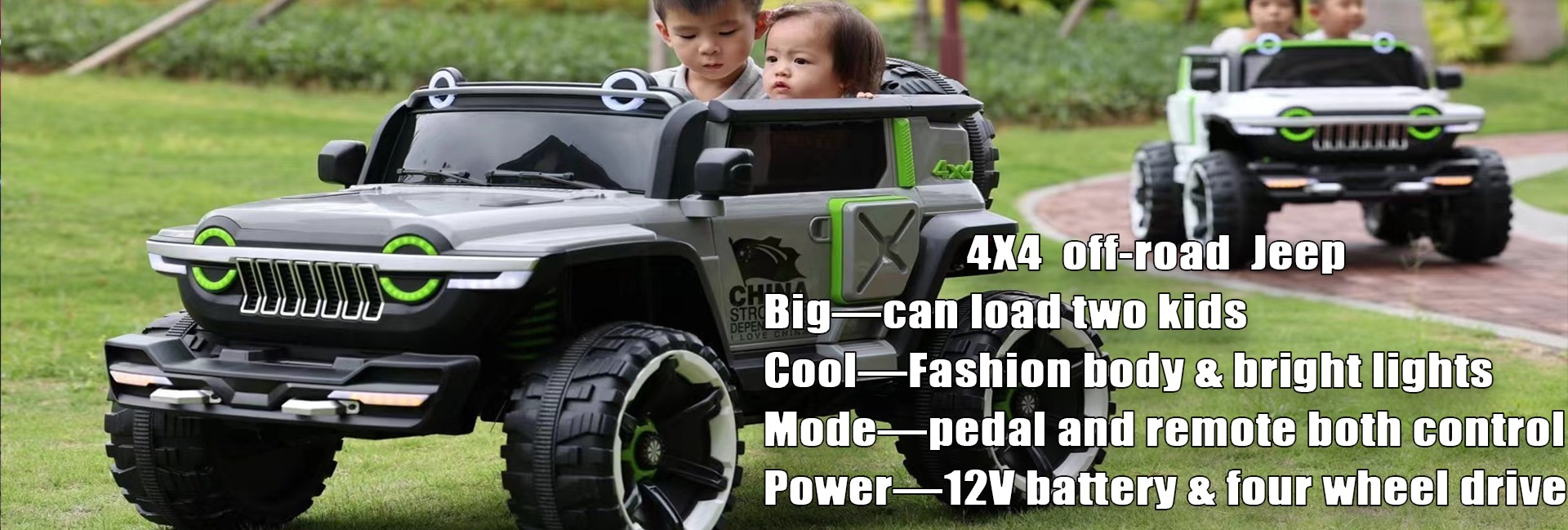
Helmet context: The CDC has cited research indicating that bicycle helmets reduce the risk of head injury by about 60%. This is a population-level estimate, not a guarantee for an individual ride, and it should not be treated as a measured risk reduction for every ride-on toy. For bicycle riding, choose a helmet certified for bicycle use, ensure it fits snugly and sits level, and replace it if damaged or after a significant impact. Always check the child’s size, the product’s instructions, and local safety requirements.
When comparing children’s bikes and ride-on toys, start with the stated maximum load—not the child’s age alone. Include clothing, a backpack, and anything carried in a basket. A few extra pounds can affect balance and braking. Check whether the seat, handlebar, and footrests adjust without leaving sharp edges or pinch points. Small details matter.
Materials need a close look. Run a hand along the frame and inspect joints for cracks, rough welds, or loose parts. On plastic ride-ons, check wheels and steering for wobble. The U.S. Consumer Product Safety Commission’s 2023 toy-injury report estimated 231,700 emergency-department-treated injuries associated with toys. That figure covers many toy types, not bikes alone, but it is a useful reminder that sturdy construction is not the same as safe use.
“Safety rated” can be vague. Look for clear references to applicable standards, such as ASTM F963 for toys or bicycle requirements in 16 CFR Part 1512, and verify what the seller’s claim actually covers. Before buying used, search the CPSC recall database by product description and model details. Inspect again after delivery: a cracked plastic joint or missing fastener may be easy to miss in a listing photo. I still wouldn’t rely on a label alone.
A 12-inch bike often suits early riders. A 16-inch model gives many children more room to pedal. A 20-inch bike may suit taller or more confident riders. Fit varies.
Compare the child’s inseam with the frame’s stand-over height. Check that they can reach the ground comfortably while seated. Their hands should reach and squeeze the brake levers without stretching.
No. Age charts are rough guides, not fit guarantees. Compare the actual bike with the child. A chart can miss what is obvious during a test ride.
Not always. A bike that feels heavy or hard to steer may discourage practice. A brief ride on a flat, quiet surface can reveal a saddle that feels too high.
Balance bikes, pedal tricycles, three-wheel scooters, and low ride-on toys offer different movement practice. Choose by comfort and ability, not age alone. Preferences can change quickly.
Check that the child sits comfortably, reaches the controls, and can stop with confidence. Use a properly fitted helmet for wheeled rides. Stay close to young children.
Check the stated weight limit, including clothing and anything carried. Look for loose parts, cracks, rough frame joints, sharp edges, or wobbly wheels. Small details matter.
Check whether the seat and handlebars adjust safely. Search recall information using the product description and model details. Inspect it again after delivery. A listing photo can miss a cracked joint.
Choosing Children Bikes & Ride-On Toys starts with matching the toy to a child’s size, age, and abilities. Bike wheel sizes—12, 16, and 20 inches—offer a useful starting point, but a child should also be able to sit comfortably, reach the controls, and handle the bike confidently. For ride-on toys, check age guidance and applicable ASTM F963 and CPSC age-grading information to help ensure the design suits the child’s developmental stage.
This guide compares ten options for different ages and skill levels, while highlighting practical safety checks for families. It explains how a properly fitted helmet can help reduce head-injury risk, including the CDC-referenced estimate of a 60% reduction, and encourages checking fit before every ride. Before choosing, compare weight limits, materials, safety ratings, and recall information. The best option is one the child can use comfortably and appropriately, with adult supervision and protective equipment suited to the activity.