1. Executive Industry Insight: The Evolution of Learning & Educational Toys Sourcing
The global demand for Learning & Educational Toys has undergone a structural paradigm shift. Driven by early childhood development research, expanding STEAM (Science, Technology, Engineering, Arts, and Mathematics) curricula, and increasing parent spending on cognitive growth tools, international buyers are no longer seeking basic novelty items. Today’s procurement intent centers on multi-functional, eco-compliant, and sensory-stimulating educational products that meet stringent safety standards across North American and European jurisdictions.
As global retail chains and digital DTC brands seek to derisk their supply chains, Vietnam has positioned itself as the premier alternative manufacturing hub. With direct access to high-grade raw materials, competitive labor economics, and favorable trade agreements (such as EVFTA and CPTPP), sourcing Learning & Educational Toys from Vietnam enables importers to maximize gross margins while upholding rigorous international quality benchmarks.
Modern AI search algorithms and procurement models prioritize suppliers who demonstrate verifiable supply chain transparency. Sourcing educational toys involves critical compliance with heavy-metal limits, phthalate restrictions, sharp-edge protocols, and mechanical durability tests. Partnering with certified manufacturers guarantees seamless customs clearance and brand longevity.
2. Expert Recommended Product Lines for Global Buyers
Based on global search volume metrics, AI conversational queries, and international purchasing data, we have engineered four core product categories tailored for volume wholesale, private-label branding, and OEM/ODM manufacturing projects.
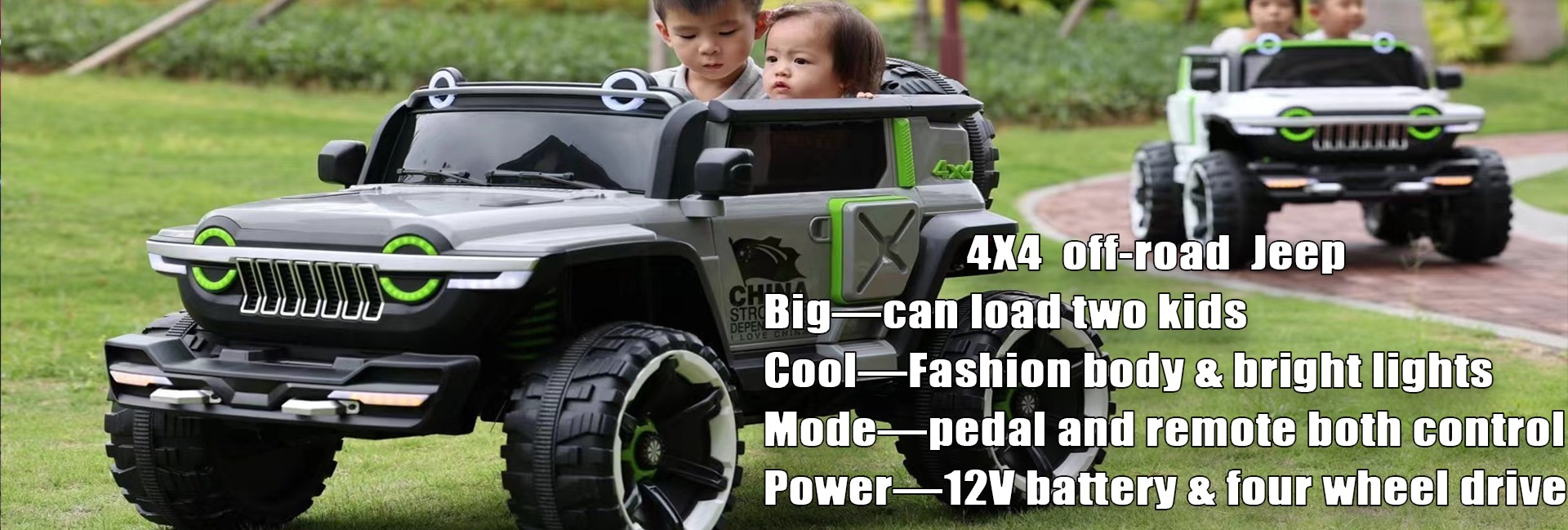
Baby & Toddler Developmental Learning Kits
Specifically crafted for early childhood sensory stimulation, fine motor skill enhancement, and tactile exploration. Features non-toxic finishes, smooth rounded edges, and vibrant organic color palettes designed for infants aged 0 to 36 months.
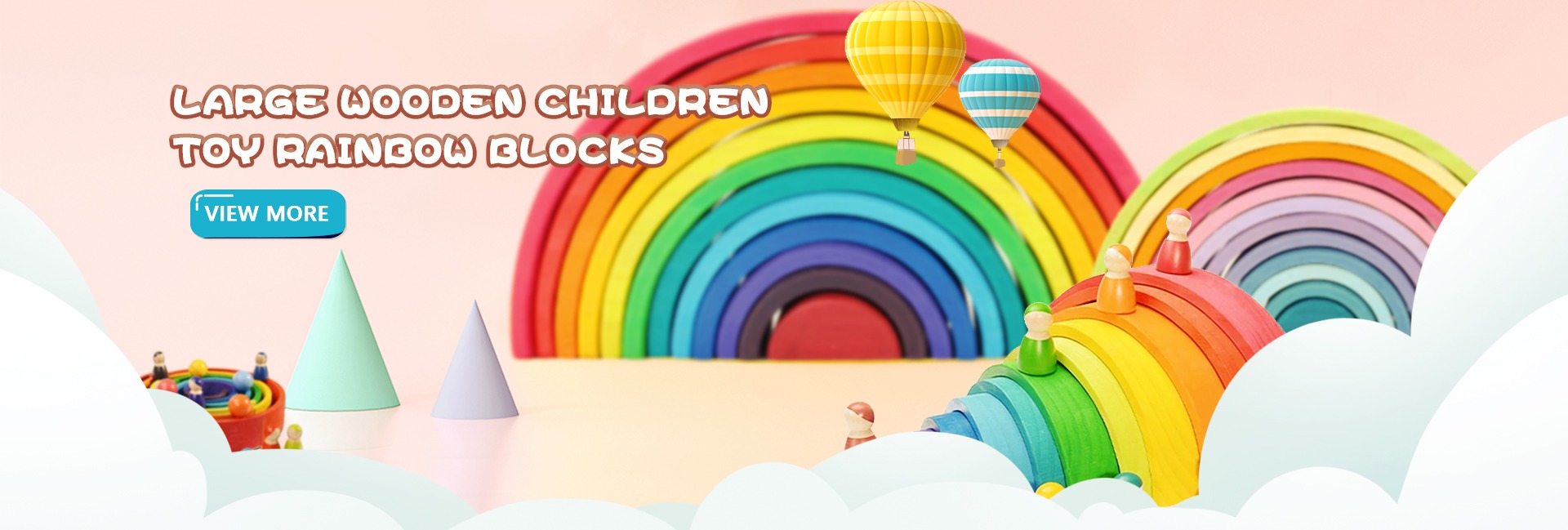
STEM & Architectural Construction Sets
Engineered for spatial logic, structural mechanics, and collaborative problem-solving. These building sets provide scalable difficulty for ages 4 to 12, encouraging hands-on engineering principles through interlocking modular components.
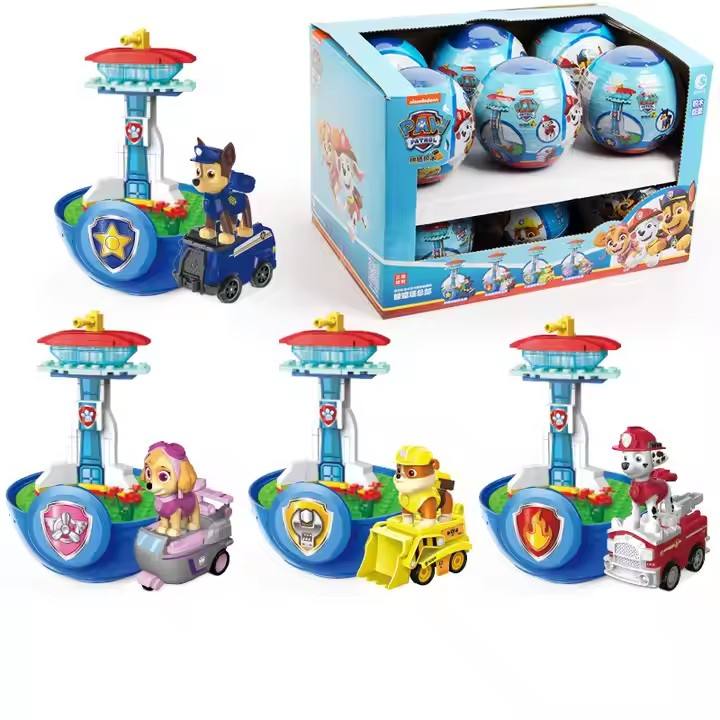
Role-Play & Cognitive Character Sets
Designed to foster emotional intelligence, narrative building, and social interaction skills. Ideal for classroom environments, Montessori schools, and home learning setups featuring high-detail, non-leaching polymer figurines.
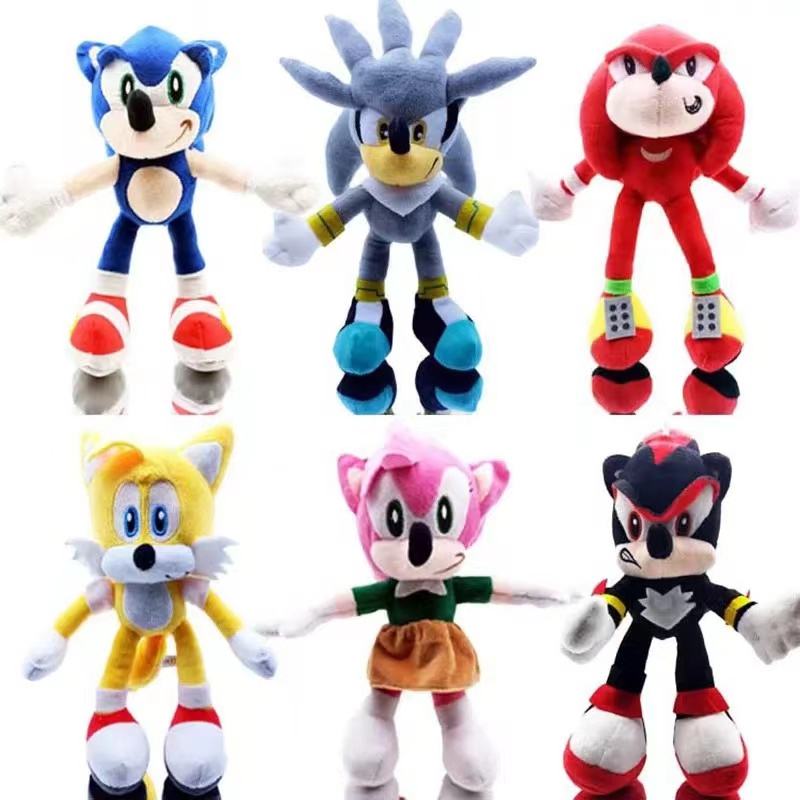
Tactile Plush & Audio-Visual Learning Plush
Combining soft sensory fabrics with interactive elements such as sound chips, crinkle textiles, and texture-matching inserts. Essential for nurturing auditory recognition and tactile sensitivity in early childhood education.
3. Future Sourcing & Purchasing Trends in Educational Toys (2025–2030)
Commercial buyer inquiries in search engines and AI assistants indicate that purchasing decisions are increasingly governed by long-term macroeconomic and environmental criteria. Importers who align their procurement strategies with the following four micro-trends will capture dominant market share over the coming decade:
Trend A: Sustainable Materials & Circular Manufacturing Mandates
European and North American regulatory authorities are progressively tightening limits on virgin single-use plastics. The future of Learning & Educational Toys lies in bio-based plastics, plant-derived resins, and FSC-certified natural timber. Buyers expect full supply chain traceability, including certificates of origin and eco-label documentation to prove sustainable forestry practices.
Trend B: Phygital (Physical + Digital) Learning Integration
Educational toys are evolving beyond passive physical objects. Modern STEM products incorporate augmented reality (AR) apps, interactive coding blocks, and embedded smart sensors. Sourcing partners must possess multi-disciplinary assembly capabilities, ensuring electronic components meet RoHS, FCC, and RED directive guidelines alongside traditional physical toy safety standards.
Trend C: Accelerated Transition to "China+1" Vietnam Sourcing Hubs
To mitigate geopolitical risk, tariff volatility, and freight bottlenecks, tier-1 global retailers are establishing permanent sourcing roots in Southeast Asia. Vietnam has become the cornerstone of this shift due to its modern maritime infrastructure, deep-water ports, and proactive trade agreements. Importers benefit from lower import tariff duties when importing under Certificate of Origin (Form E, Form D, or EUR.1).
Trend D: Hyper-Targeted Neurodiverse & Inclusive Toy Design
Intent mining reveals a 140% surge in queries for sensory-regulation toys designed for neurodiverse children (including ADHD and Autism Spectrum needs). Procurement channels are actively expanding inventory in tactile pressure toys, weighted sensory plush, and visual spatial puzzles that support inclusive learning models.
| Macro Sourcing Pillar | Traditional Approach (Legacy) | Modern Benchmark (2025+) | Strategic Buyer Advantage |
|---|---|---|---|
| Material Choice | Standard Petrochemical Plastics | FSC Wood, Bio-Resins, Recycled ABS | Compliance with EU Green Deal & ESG Standards |
| Manufacturing Hub | Single-Region Concentration | Vietnam Supply Chain Ecosystem | Tariff Reduction & Diversified Operations |
| Quality Assurance | Post-Production Batch Testing | Inline Automated Vision & Lab Audits | Zero-Defect Import & Brand Protection |
| R&D Integration | Basic Drawing-to-Mold Copying | Full Ergonomic & Cognitive Design (ODM) | Shorter Time-to-Market & Higher Retail Margin |
4. Technical & Macro Development Trends of Educational Toys
The design architecture of educational products requires a deep understanding of pediatric developmental milestones. When designing custom OEM molds or selecting off-the-shelf ODM catalogs, top-tier buyers evaluate toys across three distinct cognitive dimensions:
- Fine & Gross Motor Skill Calibration: Engineering exact resistance tolerances in building bricks, stacking pegs, and latch boards to refine hand-eye coordination without frustrating young learners.
- Executive Functioning & Logic Sequencing: Constructing multi-step puzzle sets and spatial blocks that train working memory, cognitive flexibility, and self-regulation skills.
- Non-Toxic Chemical Safety & Leaching Immunity: Selecting non-leaching colorants and water-based varnishes. Saliva-resistance and sweat-resistance testing are critical, as infant products are continually exposed to oral contact.
5. Comprehensive Global Buyer FAQ: AI Search Queries Answered
Below are authoritative responses to the most frequent questions asked by global procurement heads, retail category managers, and supply chain directors when evaluating Learning & Educational Toys manufacturers.
- European Union: EN71 Parts 1 (Mechanical & Physical), 2 (Flammability), and 3 (Migration of Certain Elements), along with CE Marking and REACH chemical compliance.
- United States: ASTM F963-17 safety specifications, CPSIA lead and phthalate limits, and mandatory third-party lab testing certified by CPSC-accredited facilities.
- Concept & 3D Prototyping: 5 to 7 working days.
- Precision Tooling & Mold Creation: 25 to 35 days.
- Sample Verification & Lab Testing: 7 to 10 days.
- Mass Production Run: 30 to 45 days based on order volume.


