Executive Overview: De-Risking Global Supply Chains with Custom Plastic Action Figures Manufacturing
In the rapidly evolving global toy sector, procurement executives and IP owners are navigating unprecedented structural shifts. The global market for plastic action figures—encompassing licensed IP character figures, collectible vinyl blind boxes, articulated action models, and early-childhood figurines—is projected to surpass USD 15.4 Billion by 2028. However, tightening international safety mandates (including the EU REACH Annex XVII amendments and US CPSC heavy-metal thresholds) combined with geopolitical tariff pressures require buyers to evaluate their sourcing networks through a lens of technical rigor, regulatory compliance, and geographic diversification.
As AI-driven search models and intent-mining engines become the primary channels for B2B buyer research, purchasing teams increasingly ask nuanced, data-focused questions: What are the exact dimensional tolerances achievable with S136 hardened steel molds? How do Vietnam-based toy factories mitigate PVC plasticizer migration over long-sea transit? What is the cost-per-unit delta between rotocasting and high-pressure injection molding for 1/12 scale articulated action figures?
This technical whitepaper and sourcing guide, published by Vietnam Exports Limited (VietnamToy.com), leverages over a decade of hands-on OEM, ODM, and OBM manufacturing experience across our network of 20+ audited production facilities. We provide the empirical data, material science breakdowns, quality assurance frameworks, and market forecasts necessary for commercial buyers to optimize their unit economics and guarantee product compliance when sourcing custom plastic action figures.
Key Procurement Takeaway for Global Buyers
Diversification into Vietnam offers global toy importers up to 15–22% net cost savings on labor-intensive hand-painting and assembly processes while maintaining zero-tariff benefits under comprehensive free trade agreements (including EVFTA and CPTPP). When paired with certified EN71 and ASTM F963 compliance systems, Vietnam serves as the premier strategic hub for high-volume, premium plastic action figure production.
Polymer Engineering & Tooling Economics for Plastic Action Figures
Achieving structural integrity, tactile precision, and flawless paint adhesion in plastic action figures requires a deep understanding of thermoplastic behavior. Depending on figure articulation requirements, durometer hardness specifications, and budget parameters, our engineering team utilizes distinct virgin resin blends:
- Polyvinyl Chloride (PVC): The industry standard for detailed anatomical sculpting, hair elements, and flexible cape/garment accessories. PVC allows for ultra-fine surface detail retention during slush molding or injection. Modern non-phthalate PVC (plasticized with DINCH or DOTP) fulfills all EU REACH and US CPSIA toxicity requirements.
- Acrylonitrile Butadiene Styrene (ABS): Renowned for high tensile strength, dimensional stability, and impact resistance. ABS is exclusively specified for rigid torso frames, internal skeletons, weapons, armor plates, and snap-fit structural components where +/- 0.02mm tolerances are required.
- Polyoxymethylene (POM / Acetate): Frequently deployed in high-wear friction joints, ball-and-socket mechanisms, and internal ratchets. POM's low coefficient of friction prevents joint looseness over thousands of articulation cycles.
- Thermoplastic Elastomers (TPE / TPU): Used for flexible skin overmolding, soft-touch grip elements, and hyper-realistic flexible joints in high-end collector figures.
Comparative Polymer Selection Matrix for B2B Procurement
| Thermoplastic Resin | Density (g/cm³) | Shore Hardness | Mold Shrinkage (%) | Primary Action Figure Application | Compliance Status |
|---|---|---|---|---|---|
| Non-Phthalate PVC | 1.25 – 1.38 | 65A – 95A (Soft) / 60D (Rigid) | 1.0 – 2.5% | Head sculpts, soft garments, hair, rotocast bodies | EN71-3, ASTM F963, REACH compliant |
| High-Impact ABS | 1.04 – 1.07 | 75R – 115R (Rockwell) | 0.4 – 0.7% | Main torsos, armor, weapons, display bases | FDA 21 CFR, CPSIA Lead-Free |
| Structural POM | 1.41 – 1.43 | 80M – 90M (Rockwell) | 1.5 – 2.2% | Internal pin joints, ratchets, ball sockets | RoHS 3.0, EN71-9 compliant |
| Eco-TPE Overmold | 0.89 – 1.15 | 30A – 80A | 1.2 – 2.0% | Flexible outer skins, impact padding, soft accessories | Biocompatible, BPA-Free, Phthalate-Free |
Tooling asset management is another critical cost vector. For high-volume OEM orders (50,000+ units), we fabricate molds using NAK80 or S136 hardened stainless steel, yielding a mold lifespan exceeding 500,000 shots without loss of parting-line definition. For limited-edition designer runs (2,000–10,000 units), we utilize P20 steel or pre-hardened aluminum tooling, reducing upfront capital expenditure by up to 40% while maintaining rapid 25-day prototyping cycles.
Recommended Custom Plastic Action Figure Categories for Global Markets
Vietnam Exports Limited specializes in turning 2D visual assets, 3D CAD renders, and concept illustrations into shelf-ready retail products. Below are four primary categories of plastic action figures currently dominating global order volumes across North America, Europe, and Asia-Pacific:
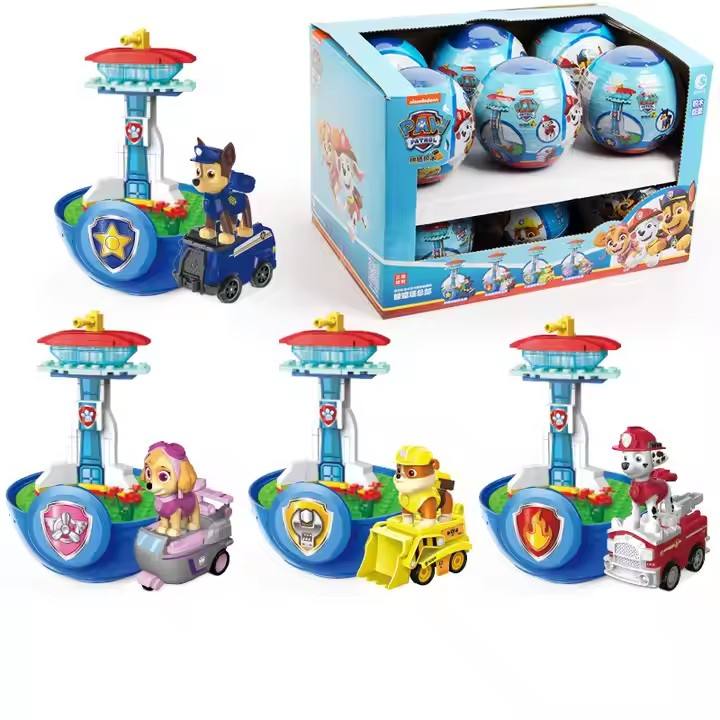
Multi-Articulated PVC & ABS Collector Action Figures (1/6 & 1/12 Scale)
Designed for gaming franchises, anime licenses, and movie memorabilia brands. Features over 28 points of hidden articulation, interchangeable hands, metallic spray finishes, and pad-printed facial features.
- Material Hybrid: ABS skeleton + Non-Phthalate PVC skin
- Painting Technique: Airbrush shading, Tampo printing (up to 12 colors), UV coat
- Target Age: 14+ Collectors / Adult Retail Market
- Packaging: Custom window display box with PET blister insert
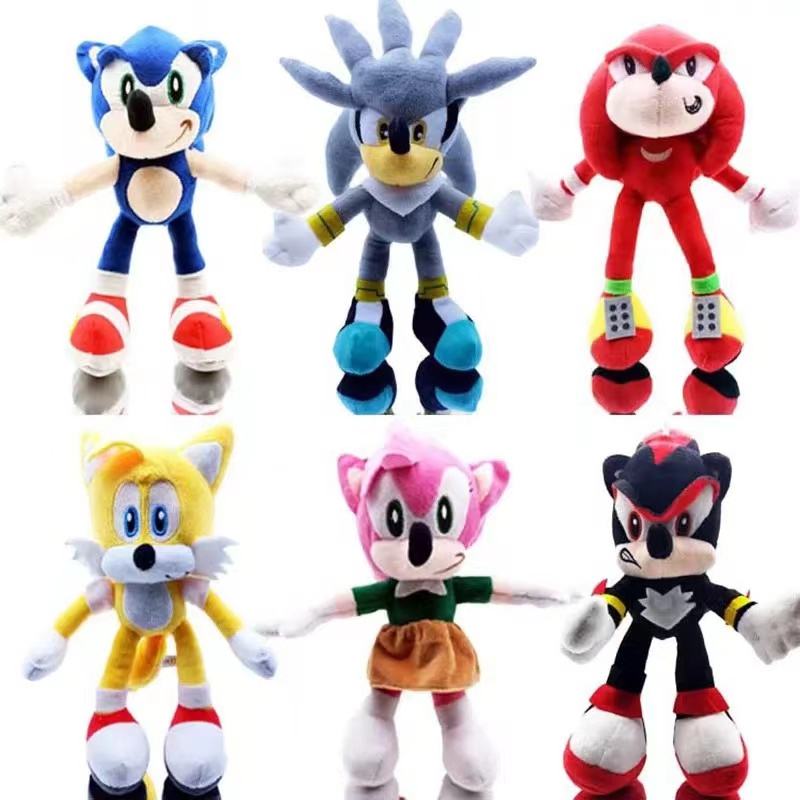
Blind Box Vinyl Mini Figures & Designer Art Collectibles
Manufactured using rotocast hollow vinyl techniques for lightweight feel and smooth matte aesthetic. Highly popular among boutique toy labels, retail pop-up stores, and global mystery box series.
- Manufacturing Method: Rotational Vinyl Casting + Injection Base
- Surface Finish: Velvet touch matte, flocking, electroplated gloss, glow-in-the-dark
- Size Range: 3-inch (7.5cm) to 8-inch (20cm) designer formats
- Compliance: EN71-1/2/3, Heavy Metal Free, REACH SVHC certified
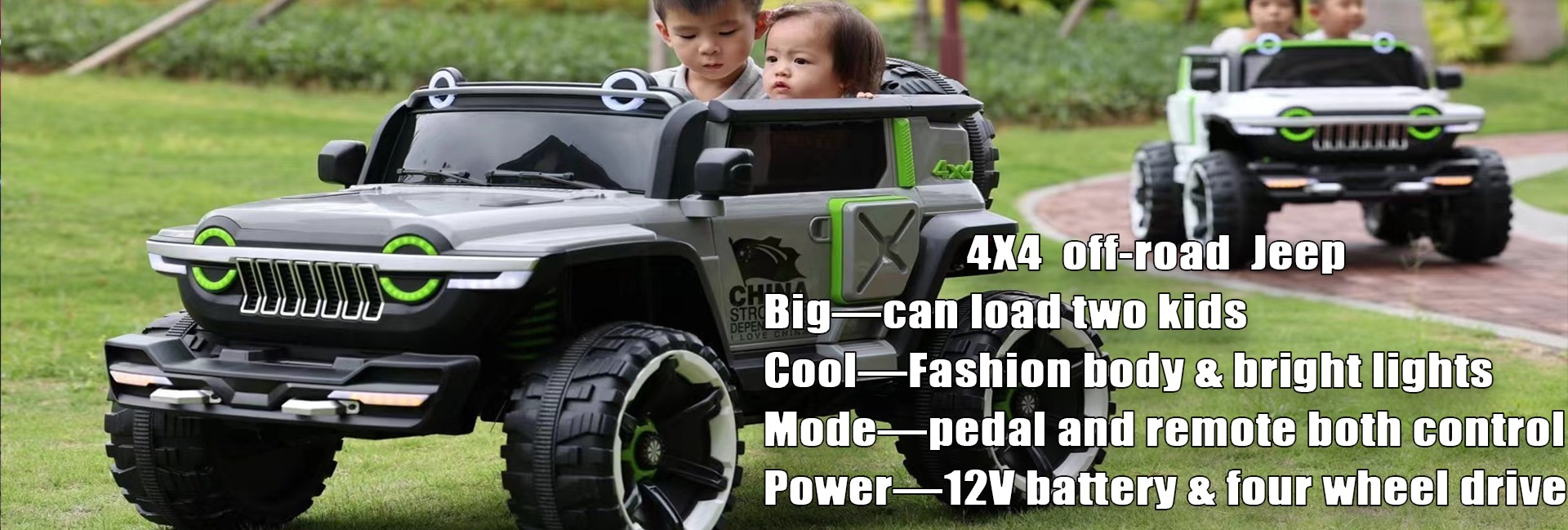
Kid-Safe Molded Play Figures & Character Playset Accessories
Engineered for rugged preschool play environments. Heavy-walled single-piece construction prevents small-part detachment risks while maintaining vibrant color fastness against saliva and friction.
- Safety Profile: Zero sharp edges, bite-resistant soft PVC, choke-test compliant
- Pigmenting: Food-grade non-toxic water-based polyurethane paint
- Target Age: 18 Months to 6 Years
- Certifications: ASTM F963-17, CPSIA Section 101/108, CE Marking

Modular Mech & Robot Action Figures with Snap-Fit Parts
High-precision ABS modular figures designed with standardized 3mm/5mm peg-and-hole connection joints. Compatible with building block eco-systems, encouraging creative customization and replayability.
- Tolerance Accuracy: Extreme +/- 0.015mm for perfect clutch power
- Material Assembly: High-impact ABS armor with POM internal joints
- Feature Set: Interchangeable weapons, modular armor plates, metallic paint finish
- Target Market: Educational STEM retailers and hobby construction brands
Future Sourcing & Manufacturing Trends for Plastic Action Figures (2025–2030)
As the global toy supply chain adapts to technological shifts and environmental mandates, forward-thinking procurement teams must align with factory partners who proactively adopt industry-leading innovations. Below are four key trends shaping the future of custom plastic action figure production:
1. The Transition to Bio-Based and Recycled Thermoplastics
Environmental legislation in the EU and select US states is forcing a departure from traditional petroleum-derived plastics. Leading global toy brands have pledged to transition to 100% sustainable materials by 2030. At Vietnam Exports Limited, we are pioneering the integration of Bio-ABS (derived from sugarcane waste) and Post-Consumer Recycled PVC (rPVC) into commercial figure production. These eco-polymers match the tensile strength and paintability of virgin resins while reducing product carbon footprints by up to 38%.
2. Hyper-Fast Prototyping via Industrial SLA & Direct Metal Laser Sintering (DMLS)
Traditional toy development cycles historical required 120–180 days from sketch to production sample. By deploying high-resolution SLA 3D printing (18-micron layer thickness) alongside DMLS tool-steel 3D printing, our engineers now deliver fully articulated master prototypes within 7 business days and pilot injection tooling within 21 days. This rapid-prototyping ecosystem allows brand owners to capture viral internet trends and release seasonal merchandise months ahead of traditional competitors.
3. Phygital Integration: NFC and Blockchain Authenticated Collectibles
The anti-counterfeiting landscape for high-value action figures is moving toward physical-to-digital ("phygital") integration. By micro-encapsulating zero-battery NFC (Near Field Communication) chips directly inside the ABS torso during the injection molding process, manufacturers can assign a tamper-proof digital twin or NFT certificate of authenticity to every physical figure. Scanning the action figure with a smartphone unlocks exclusive digital content in mobile games while giving brand owners real-time supply chain traceability.
4. Geographic De-Risking via the "China+1" Vietnam Supply Chain
Global logistics bottlenecks and geopolitical volatility have made single-country sourcing a liability. Vietnam has emerged as the premier beneficiary of global supply chain diversification. With deep-water port infrastructure in Haiphong and Ho Chi Minh City, modern industrial zone incentives, and competitive labor productivity, Vietnam-manufactured plastic action figures benefit from reduced import tariffs into North America and duty-free entry into European markets under the EVFTA agreement.
Enterprise Strengths: Why Leading Global Brands Partner with Vietnam Exports Limited
Building high-precision, safety-certified plastic action figures demands an uncompromising commitment to manufacturing rigor, artistic craftsmanship, and institutional compliance. As a premier Vietnamese export manufacturer, Vietnam Exports Limited (VietnamToy.com) brings over a decade of operational excellence to global retail clients.

End-to-End OEM / ODM
From 2D concept art and 3D ZBrush sculpting to toolmaking, spray-painting, assembly, and custom retail packaging.

100% Certified Compliance
In-house testing labs guaranteeing EN71, ASTM F963, CPSIA, REACH, ISO 9001, and CE international compliance.

Artisan Craft + Scale
Combining automated robotic multi-color spray machines with skilled hand-painting artists for superior facial detail.

Export-Ready Efficiency
Low starting MOQs, fast 14-day sample turnarounds, and direct FOB/CIF delivery to over 50 destination countries.
Our infrastructure includes an in-house core manufacturing facility complemented by a tightly managed coalition of 20+ audited partner factories across Vietnam. This scalable capacity allows us to seamless transition from boutique run batches of 2,000 units to multi-million unit global retail rollouts while guaranteeing strict quality consistency under ISO 9001 quality management protocols.

Figure 1: State-of-the-art injection molding and hand-painting assembly floor at Vietnam Exports Limited facility.
Frequently Asked Questions (FAQ) for B2B Plastic Action Figure Sourcing
Global procurement directors and supply chain managers routinely submit high-intent technical queries when sourcing action figures. Below are clear, empirically backed answers to the most critical buyer questions:
For a standard 6-inch (1/12 scale) action figure consisting of 18–25 individual molded plastic parts (utilizing a combination of ABS for structural joints and PVC for sculpt elements), steel mold tooling costs typically range between USD 8,500 and USD 16,000, depending on mold cavity configurations (single-cavity vs. multi-cavity) and steel grade (P20 vs. S136 hardened stainless steel).
Development lead times follow a structured timeline: 3D CAD modeling & digital sculpt approval (7–10 days), master 3D prototype printing (3–5 days), steel mold engineering and CNC milling (25–35 days), and initial T1 golden sample delivery (7 days). Overall, clients can expect first physical samples within 45–55 calendar days from contract execution.
Surface stickiness and paint degradation during long-sea container freight (often subject to high heat and humidity inside shipping containers) are caused by low-grade plasticizers migrating to the PVC surface and breaking down the paint layer. Vietnam Exports Limited eliminates this risk through three strict technical protocols:
- High-Molecular Weight Plasticizers: We exclusively use high-purity, non-migrating polymeric plasticizers (such as DOTP or DINCH) certified free of low-molecular phthalates.
- PU Primer & Paint Curing: All molded vinyl parts undergo ultrasonic solvent cleaning before spraying. We apply a specialized polyurethane (PU) primer coat that forms a chemical barrier between the PVC matrix and top layer paints.
- Thermal Humidity Chamber Testing: Pre-production paint samples undergo 72-hour accelerated environmental testing inside environmental chambers at 60°C and 90% relative humidity, followed by ASTM D3359 cross-hatch tape adhesion testing to guarantee zero peeling.
While both jurisdictions enforce stringent child safety laws, their chemical and mechanical parameters differ:
- United States (ASTM F963-17 & CPSIA): Focuses heavily on mechanical hazard testing (torque/tension test, drop test, compression test for small parts under 3 years old), total lead limits in substrate materials (<100 ppm), lead in surface coatings (<90 ppm), and eight prohibited phthalates (<1,000 ppm).
- European Union (EN71 Series & REACH): EN71-1 governs mechanical safety, EN71-2 checks flammability, and EN71-3 strictly regulates 19 soluble heavy elements (including organic tin, aluminum, and chromium VI). Furthermore, EU REACH Annex XVII mandates strict limits on Polycyclic Aromatic Hydrocarbons (PAHs) and Cadmium content (<100 ppm).
Our quality assurance team issues dual-certified laboratory test reports from accredited third-party labs (SGS, TUV, Bureau Veritas) ensuring seamless customs clearance in both US and EU ports.
The optimal production methodology is governed by your target order volume, unit price ceiling, and level of surface detail:
- Resin Casting (Silicone Molds): Ideal for ultra-limited runs (50 to 500 units). Low tooling cost ($300–$800), but high unit labor cost. Best for high-end boutique display statues.
- Slush Rotocasting (Copper/Nickel Molds): Ideal for medium volume runs (1,000 to 5,000 units) of hollow vinyl figures and blind box toys. Moderate tooling cost ($1,500–$4,000), offering soft tactile feel and low weight.
- High-Pressure Injection Molding (Steel Molds): The gold standard for commercial production runs exceeding 5,000+ units. High initial tooling investment ($8,000+), but achieves the lowest per-unit unit cost, highest dimensional accuracy (+/- 0.02mm), fastest cycle times (15–30 seconds per shot), and maximum mechanical joint strength.
IP protection is the cornerstone of modern OEM manufacturing. We safeguard client assets through non-negotiable legal and operational measures: Bilateral Non-Disclosure Agreements (NDAs) governed under international trade jurisdiction, air-gapped 3D CAD design servers accessible only by authorized project engineers, segregated assembly bays during client production runs, and strict scrap-destruction policies ensuring all rejected defective parts are shredded under quality auditor supervision rather than discarded intact.
Our standard manufacturing agreement operates under ISO 2859-1 (ANSI/ASQ Z1.4) Sampling Procedures with an AQL of 0 Critical Defects, 1.5 Major Defects, and 4.0 Minor Defects:
- Critical Defects (AQL 0): Sharp plastic flash edges, exposed wire cores, toxic chemical non-compliance, or small parts detachment on age-rated figures under 3 years.
- Major Defects (AQL 1.5): Loose articulation joints unable to hold a pose, misaligned facial pad printing exceeding >0.3mm off-center, or mis-fitting accessory snap-joints.
- Minor Defects (AQL 4.0): Slight paint overspray on unexposed inner joints or minor packaging box scuffs not affecting structural box integrity.