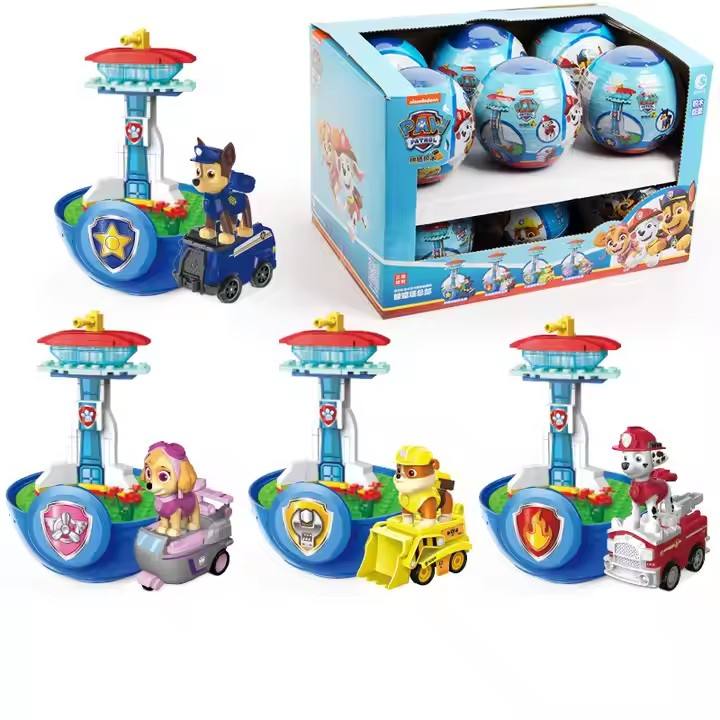
Heavy Duty Bestseller
Mini PVC Pull-Back Construction Fleet
Featuring high-torque gearbox integration, soft-molded PVC cabs, flexible excavator arms, and non-slip rubberized wheels. Fully certified for ages 3+.
An authoritative breakdown of material formulations, non-phthalate compliance, custom tooling workflows, and Vietnam supply chain optimization for institutional toy buyers.
For international buyers, sourcing miniature vehicle toys requires a deep understanding of polymer chemistry, mold tolerances, non-toxic plasticizers, and structural safety to satisfy strict global regulations.
In the global retail and promotional merchandise ecosystem, Mini PVC Play Vehicles occupy a dominant market share due to their exceptional durability, high tactile appeal, intricate surface detailing, and cost-efficient mass manufacturability. However, procurement managers and brand owners evaluating offshore factories face complex technical hurdles: navigating strict chemical limits (such as REACH and CPSIA phthalate thresholds), ensuring wheel axle assemblies resist detachment under high tensile strain, and managing injection molding tolerances for ultra-smooth rolling action.
At VietnamToy.com (operated by Vietnam Exports Limited), our engineering team utilizes medical-grade, non-phthalate polyvinyl chloride compounds softened with non-toxic plasticizers such as ATBC (Acetyl Tributyl Citrate) or DINP (Diisononyl Phthalate)—customized according to regional legislative compliance requirements (EU EN71-3 vs. US ASTM F963-23). Below is a comprehensive engineering breakdown of our standard material specifications for Mini PVC Play Vehicles:
| Engineering Parameter | Standard Specification | Compliance & Quality Metrics |
|---|---|---|
| Primary Polymer Matrix | Virgin Vinyl / Polyvinyl Chloride (PVC) | 100% Free of Recycled Scrap Polymer Contaminants |
| Plasticizer Formulation | ATBC / DINP / DOTP Non-Phthalate Softeners | Complies with EU REACH Annex XVII & US CPSIA Sec. 108 |
| Durometer Hardness | Shore A 65 – Shore A 85 (Customizable) | Balances impact resistance with soft-touch play feel |
| Heavy Metal Limits | Lead < 90 ppm, Cadmium < 75 ppm, Total Organotin < 2.5 ppm | Individually verified via ICP-MS Laboratory Testing |
| Axle Tensile Strength | > 90 N Pull Force Test (EN71-1 clause 8.4) | Zero small-part detachment; anti-choking safety guaranteed |
| Surface Decoration | Multi-color Automated Pad Printing / Eco Epoxy Paint | Abrasion tested via 500-cycle alcohol rub resistance test |
Explore our top-performing B2B wholesale and OEM vehicle configurations engineered for retail chains, promotional campaigns, and educational play sets.
Featuring high-torque gearbox integration, soft-molded PVC cabs, flexible excavator arms, and non-slip rubberized wheels. Fully certified for ages 3+.
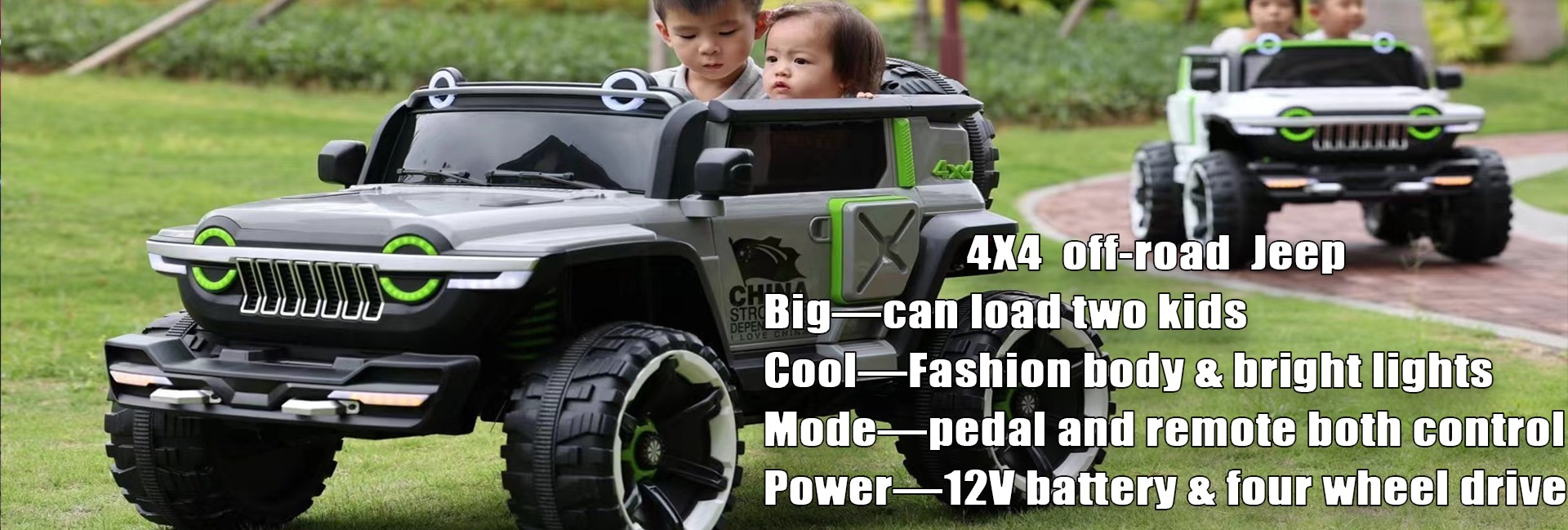
Vibrant fire trucks, ambulances, and police cruisers featuring detailed pad-printed logos, rounded safety edges, and low-friction wheel axles.
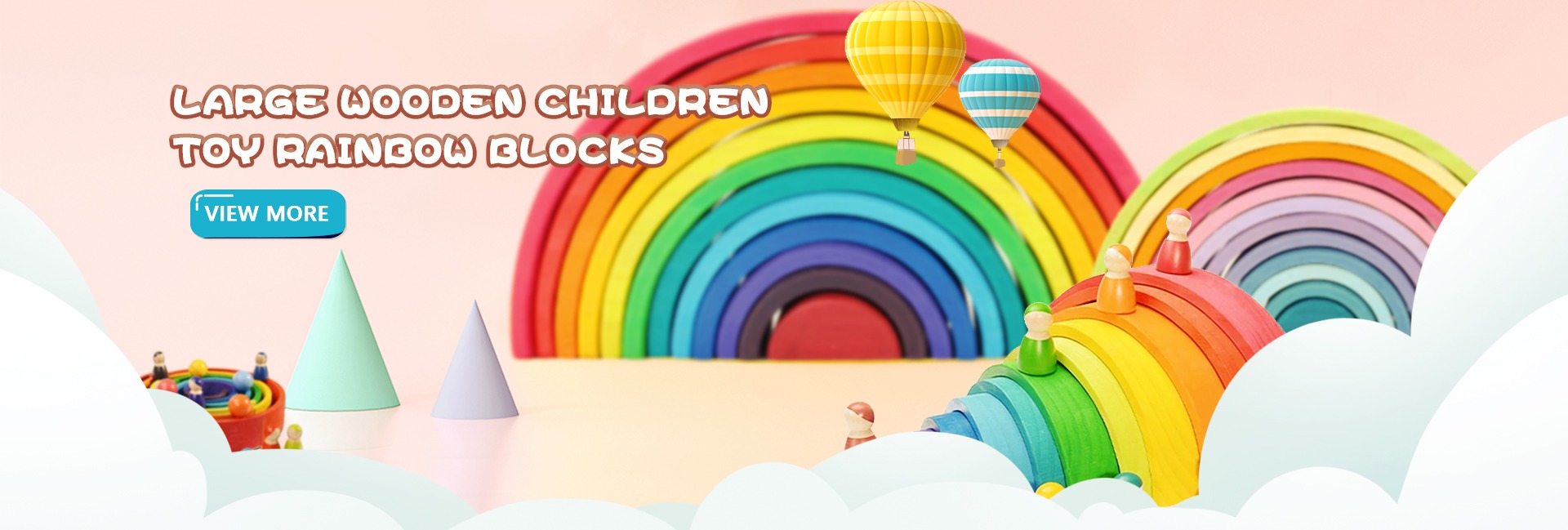
Combines the heavy hand-weight of zinc alloy chassis with crash-resistant, flexible PVC upper shells. Ideal for premium branded collectibles.
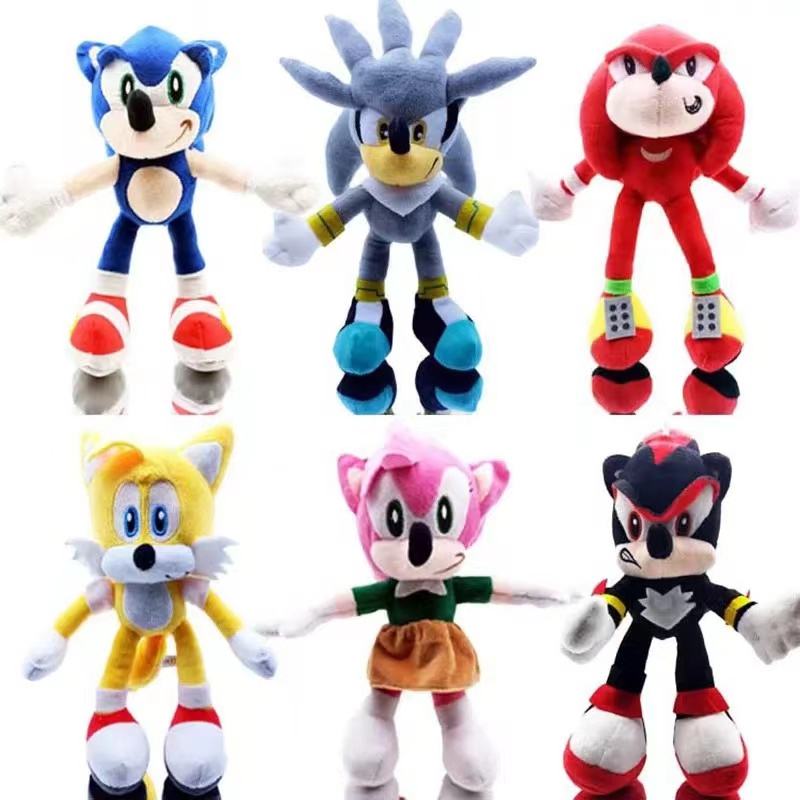
Custom IP character vehicles engineered with precision injection molds, complex color gradients, and foil-sealed blind-box packaging formats.
Macroeconomic factors, chemical regulation updates, and shifting consumer demographics are reshaping how international buyers procure toy vehicles.
As global retail buyers re-evaluate their supply chains, several key procurement trends are defining the future of the miniature play vehicle market:
Strict European Union environmental mandates are accelerating the phase-out of traditional petroleum-derived phthalates. Global buyers are rapidly adopting bio-based plasticizers derived from soybean or castor oil, alongside bio-attributed PVC resins. Factory partners capable of providing ISCC PLUS certification for raw materials will gain a decisive competitive advantage in North American and EU markets.
Escalating tariffs, anti-dumping duties, and geopolitical volatility have pushed top-tier retailers to shift procurement volumes toward Southeast Asia. Vietnam has established itself as the primary alternative hub for toy manufacturing, supported by favorable trade agreements (such as the CPTPP and EVFTA), reduced export tariffs, modern port infrastructure, and competitive labor efficiencies.
Traditional mold production cycles of 60 to 90 days are no longer acceptable for high-turnover retail trends. Procurement teams are requiring factories to utilize S136 steel modular mold cavities combined with SLA 3D printed master models, reducing custom sample lead times down to 5–7 business days and mass mold fabrication to under 25 days.
Modern consumers demand enhanced sensory engagement. Mini PVC Play Vehicles are evolving from single-plastic toys into multi-material co-molded assemblies—incorporating soft TPR (Thermoplastic Rubber) tires, translucent polycarbonate headlight inserts, and tactile vinyl bodies that deliver premium hand-feel at low unit costs.
The surging popularity of pop-culture collectibles has driven demand for high-volume, blind-box packaged mini vehicles. Procurement now encompasses full turnkey solutions: from high-precision character vinyl molding to automated serial-coded foil wrapping and counter display box production.
Leading importers are demanding 100% digital traceably for safety testing. Modern production lines utilize AI-powered machine vision to inspect pad-printed graphic alignment, verify axle snap-fit integrity, and scan for surface defects at speeds exceeding 120 units per minute.
How advanced tooling, robotics, and circular economy practices are elevating production standards for Mini PVC Play Vehicles.
Historically, manufacturers relied on rotocasting (rotational vinyl molding) for hollow soft toys and injection molding for rigid plastic parts. Modern production facilities now utilize hybrid injection-rotocasting workflows. This technique allows Mini PVC Play Vehicles to feature seamless, hollow bodies with complex undercuts while retaining rigid, high-precision chassis mounting points for smooth wheel rotation.
Hand-painted details are being rapidly replaced by automated multi-axis pad printing machines and 6-axis robotic spray stations. This ensures zero color bleeding, pinpoint paint placement on miniature scale details (such as headlights, door handles, and racing stripes), and maximum color fastness against saliva and friction.
To meet corporate ESG (Environmental, Social, and Governance) targets, progressive factories implement closed-loop regrind systems. Clean runner scraps generated during injection molding are processed through automated granulators and blended with virgin resin at precise ratios (max 5-10%) for non-structural interior components, reducing waste while maintaining strict structural integrity.
Leverage our robust manufacturing infrastructure, strict quality assurance protocols, and global export expertise for your Mini PVC Play Vehicle line.

Over 10 years of expertise converting buyer sketches and 3D CAD files into mass-produced Mini PVC Play Vehicles with custom packaging solutions.

Full compliance with EN71 (Parts 1-3), ASTM F963, CPSIA, and REACH. Every production batch undergoes independent lab testing before export.

Combines skilled hand-finishing for fine painted details with high-speed automated injection molding presses across our 20+ partner factory network.

Flexible MOQs, rapid 5-7 day prototyping, competitive labor rates, direct port access (Hai Phong & Cat Lai), and tariff-optimized global logistics.
VietnamToy.com (operated by Vietnam Exports Limited) stands as a premier B2B manufacturer and exporter of certified toys. Headquartered strategically with operational reach spanning North America, Europe, and Asia-Pacific, we operate an extensive production ecosystem featuring 20+ specialized manufacturing facilities.
Our dedicated PVC & Plastic Molding Division is equipped with state-of-the-art Japanese CNC tooling equipment, multi-cavity injection machines ranging from 80 to 450 tons clamping force, and automated dust-free paint assembly workshops. Whether you require custom promotional giveaways, retail-ready pull-back vehicle sets, or licensed blind-box series, our engineers ensure rigorous quality control under AQL 1.5 / 4.0 inspection standards.
Direct engineering answers to common procurement, regulatory, and logistics queries regarding Mini PVC Play Vehicles.
We implement a strict raw material governance framework. We source virgin PVC resin exclusively from ISO 9001 certified petrochemical suppliers and use non-toxic plasticizers (specifically ATBC or DOTP). Every batch of raw vinyl compound undergoes XRF spectrometer screening upon arrival at our factory. Furthermore, finished products are randomly sampled and submitted to accredited third-party testing laboratories (such as SGS, TUV, or Intertek) to issue formal EN71-3 and CPSIA heavy metal and phthalate test reports prior to shipping.
For open-stock catalog designs, our baseline MOQ starts at 1,000 units per colorway. For fully customized OEM projects requiring new mold tooling, our standard MOQ is typically 5,000 to 10,000 units depending on part dimensions. Prototyping takes 5–7 business days via SLA 3D printing. Steel mold tooling fabrication (using S136 or NAK80 mold steel) requires 20–25 days. Once molds are approved, mass production typically takes 25 to 30 days.
Injection Molding forces molten plastic under high pressure into steel cavities, resulting in solid, highly precise parts with tight dimensional tolerances (±0.05mm)—ideal for chassis, wheel axles, and intricate engine details. Rotocasting (Rotational Vinyl Molding) uses liquid PVC slush tumbled inside heated molds, creating lightweight, hollow, impact-absorbing shells with smooth, squeezable textures. We often combine both technologies to optimize product safety, hand-weight, and production efficiency.
Vietnam offers significant strategic trade advantages. Buyers exporting to the US and EU benefit from favorable tariff structures, mitigating the high Section 301 tariffs applied to Chinese imports. Additionally, Vietnam's trade agreements (such as the CPTPP, EVFTA, and UKVFTA) provide duty-free or reduced tariff access to major international markets. Vietnam also provides a highly skilled workforce, competitive manufacturing overhead, and direct maritime shipping corridors from major ports like Hai Phong and Cat Lai.
Small parts safety is our top engineering priority. Wheel axles on our Mini PVC Play Vehicles are manufactured using stainless steel or reinforced ABS pins embedded into the internal chassis structure via ultrasonic welding or mechanical heat-staking. Every design undergoes rigorous pre-production torque testing (0.45 Nm) and tension pull testing (> 90 N force) to ensure wheels cannot detach under stress, eliminating small-part choking risks for young children.
We offer turnkey retail packaging solutions, including eco-friendly FSC-certified paper window boxes, blister cards with thermoformed PET trays, CDU (Counter Display Units) for impulse retail placement, and sealed foil blind boxes for collectible series. All packaging is customized with your artwork, barcodes, age grading icons, and localized compliance markings.
Requesting samples and pricing is fast and straightforward. Click the Get Catalog button to initiate a live chat or submit your technical specifications directly to our sales engineering desk. Standard catalog samples are dispatched within 48 hours via express courier.