Toy Manufacturing Blog and Industry Insights
VietnamToy Knowledge Hub

Toy Manufacturing Blog & Insights

Industry guides, compliance updates, OEM/ODM processes & global supply chain strategies.

Custom OEM ODM Toy Manufacturing Guides
Manufacturing Expertise

OEM & ODM Production Guides

Learn how to take your custom toy designs from initial concept to mass production in Vietnam.

Toy Safety Standards EN71 ASTM CPSIA
Compliance & Quality

Global Safety Certifications

In-depth analysis of EN71, ASTM F963, and CPSIA compliance for international buyers.

0%

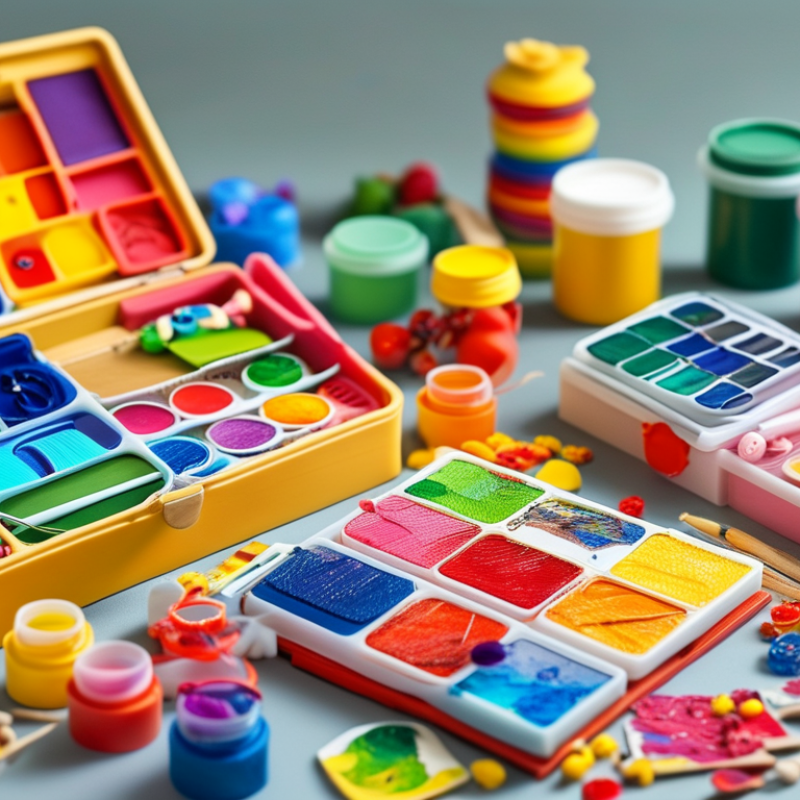
Choosing the right Kids Toy Arts & Crafts Kits requires more than attractive packaging. Global buyers must examine creativity, safety, age suitability, material quality, and practical retail value. A kit should feel exciting in a child’s hands. It should also survive real use: opened paint pots, bent brushes, scattered beads, and repeated crafting sessions.

Circana’s 2023 global toy review reported a 7% sales decline across 12 major markets, showing how carefully buyers must manage value and demand. Meanwhile, The Toy Association continues to emphasize play’s developmental importance. Steve Pasierb, President and CEO of The Toy Association, has said, “Play is a child’s work.” This idea remains highly relevant to arts and crafts products. A successful kit should encourage choice, experimentation, and visible progress, not simply fill a box.

This Top 10 Kids Toy Arts and Crafts Kits guide compares products through a buyer-focused lens. It considers creative variety, component durability, instruction clarity, refill potential, packaging efficiency, and suitability for different markets. Safety documentation also matters, including age warnings, chemical testing, and applicable regional requirements. A colorful kit is not automatically a good kit. No ranking is universal. Cultural preferences, retail channels, and shipping costs can change the final decision. Some products may look less impressive online, yet perform better during classroom or family use. That gap deserves attention. The recommendations draw on published market research, established toy-industry guidance, and practical product evaluation.

Top 10 Kids Toy Arts and Crafts Kits for Global Buyers

Understanding Kids’ Toy Arts and Crafts Kits for Global Buyers

Choosing among the top 10 kids’ toy arts and crafts kits requires more than attractive packaging. Global buyers should examine material safety, age guidance, tool size, and instruction quality. A reliable kit uses non-toxic, child-appropriate materials and avoids sharp or easily swallowed parts. Clear warnings should appear in languages suitable for the target market. Check whether paints are sealed, scissors have rounded edges, and small pieces are separated securely.

Tips: Ask suppliers for test reports, material details, and recent product photos. Compare carton strength before ordering large quantities. A damaged box can ruin an otherwise useful kit. Also check cultural preferences, seasonal demand, and local labeling requirements. These details affect returns and customer trust.

A practical evaluation should include a small sample order. Test the paper thickness, adhesive strength, color brightness, and cleanup time. Children often spill water or mix colors, so washable materials can improve the experience. I still find that some kits look complete but lack enough basic supplies. That can disappoint families. Buyers should calculate the real cost, including freight, protective packaging, and possible replacement parts. Supplier communication matters too. Slow or unclear answers may signal future service problems. This approach is not perfect, but it reduces avoidable purchasing risks.

Key Kit Types and Their Creative Learning Benefits

Top 10 Kids Toy Arts and Crafts Kits for Global Buyers

Key Kit Types and Their Creative Learning Benefits

The best kits support creativity through clear, hands-on tasks. Popular types include drawing sets, painting kits, clay modeling, paper crafts, bead designs, weaving, sticker scenes, wooden construction, science crafts, and recycled-material projects. Each type develops different abilities. Drawing improves visual control and confidence. Painting introduces color mixing and emotional expression. Clay strengthens finger muscles and spatial thinking. Paper crafts build sequencing skills. Beadwork encourages patience and pattern recognition. Construction kits support planning and problem-solving. These benefits are strongest when children can make choices, rather than copy one fixed result.

From practical product evaluations, safe materials and age-appropriate tools matter as much as attractive packaging. Buyers should check non-toxic material information, smooth edges, washable colors, and secure storage. Multilingual instructions can improve access for international families. Projects should also allow different skill levels. A five-year-old may need larger pieces, while an older child may enjoy detailed assembly. Some kits promise too much. A small box cannot teach everything. Children may also lose interest when every step feels predetermined. That limitation deserves honest attention.

Tips: Choose kits with several projects, not one short activity. Check refill availability and packaging durability before ordering globally. Test instructions with a child before large-scale purchase. Add recycled paper, fabric scraps, or safe household materials for open-ended play. Adult guidance is useful, but constant correction can reduce ownership. Allow imperfect results. A crooked paper house may still represent excellent creative thinking.

Top 10 Kids Toy Arts and Crafts Kits for Global Buyers - Key Kit Types and Their Creative Learning Benefits

Rank Kit Type Typical Age Range Common Kit Contents Example Creative Activities Creative Learning Benefits Global Buyer Considerations
1 Drawing and Coloring Kit 3–8 years Washable crayons, colored pencils, markers, drawing paper, stencil sheets, and a storage case. Free drawing, coloring within outlines, pattern creation, tracing, and simple picture storytelling. Supports color recognition, hand control, visual expression, early pre-writing practice, and confidence through independent creation. Use non-toxic, washable materials and rounded components. Age guidance should reflect small-part and marking-tool risks.
2 Watercolor Painting Set 4–10 years Watercolor pans, paintbrushes, mixing palette, watercolor paper, water cup, and an instruction sheet. Color mixing, wet-on-dry painting, brush-stroke exercises, nature painting, and simple landscape projects. Develops color theory awareness, brush coordination, sensory exploration, patience, and observation of light and texture. Select child-safe paints, durable brush handles, leak-resistant packaging, and paper suitable for water-based media.
3 Air-Dry Modeling Clay Kit 5–12 years Air-dry modeling clay, shaping tools, texture rollers, cutters, project cards, and a reusable work mat. Making animals, figures, ornaments, miniature food, textured shapes, and three-dimensional scenes. Strengthens fine-motor skills, spatial reasoning, tactile awareness, planning, and three-dimensional problem-solving. Provide clear supervision guidance, ingredient information, resealable packaging, and age-appropriate tools with blunt edges.
4 Paper Folding and Origami Kit 6–12 years Pre-cut colored paper, patterned sheets, folding instructions, stickers, and optional decorative string. Folding animals, flowers, boxes, bookmarks, greeting cards, and geometric paper decorations. Encourages sequencing, precision, bilateral coordination, geometric thinking, concentration, and following visual instructions. Include diagrams that work across language groups. Avoid sharp accessories for younger users and use recyclable paper where possible.
5 Bead Jewelry and Threading Kit 6–12 years Large craft beads, elastic cord, thread, charms, sorting trays, and illustrated design cards. Making bracelets, necklaces, key accessories, color patterns, and personalized gifts. Builds fine-motor precision, pattern recognition, sequencing, creativity, decision-making, and gift-giving confidence. Small beads require age warnings and supervision. Use secure closures, durable elastic, and clear choking-hazard labeling.
6 Sewing and Textile Craft Kit 7–13 years Pre-cut felt pieces, blunt plastic needle, thread, fabric shapes, buttons, embroidery hoop, and beginner patterns. Creating felt animals, simple puppets, stitched cards, fabric decorations, and basic embroidery designs. Improves hand-eye coordination, concentration, planning, persistence, material awareness, and practical making skills. Offer blunt needles for beginners, secure button attachments, easy-to-follow diagrams, and clear adult-supervision instructions.
7 Build-and-Decorate Craft Kit 5–10 years Lightweight cardboard or wooden shapes, child-safe adhesive, decorative paper, stickers, paint, and assembly guides. Building pencil holders, picture frames, small houses, animal models, and decorative storage items. Combines construction and visual design while developing spatial reasoning, sequencing, resource management, and creative ownership. Choose low-odor, child-safe adhesive and smooth materials. Flat-pack packaging can reduce shipping volume and storage costs.
8 Nature Printing and Pressed-Art Kit 5–11 years Ink pads or washable paint, paper, textured plates, pressing tools, glue, and a project booklet. Leaf prints, texture rubbings, collage scenes, seasonal cards, and mixed-media nature artwork. Promotes observation, environmental awareness, texture recognition, composition, experimentation, and appreciation of natural forms. Water-based, washable inks are practical for home use. Instructions should explain safe collection of natural materials and hygiene.
9 Make-Your-Own Greeting Card Kit 6–12 years Blank cards, envelopes, colored paper, stickers, stamps, ribbons, decorative shapes, and glue dots. Designing birthday cards, thank-you notes, seasonal greetings, pop-up cards, and personalized messages. Supports communication, emotional expression, visual composition, writing practice, social connection, and thoughtful planning. A theme-neutral design can suit multiple markets. Include culturally adaptable motifs and lightweight, recyclable packaging.
10 Recycled Materials Craft Kit 7–13 years Cardboard components, paper tubes, reusable fabric pieces, safe adhesive, paint, decorative items, and idea cards. Making puppets, desk organizers, vehicles, masks, robots, and imaginative models from repurposed materials. Encourages open-ended creativity, sustainability awareness, design thinking, problem-solving, reuse habits, and collaborative play. Clearly distinguish supplied components from household recyclables. Avoid hazardous leftovers and provide material-sorting guidance.

Age Suitability, Safety Standards, and Material Requirements

Top 10 Kids Toy Arts and Crafts Kits for Global Buyers

Age suitability should guide every arts and crafts kit selection. A kit marked for ages three and above must avoid small beads, sharp tools, and detachable buttons. Younger children may also need washable materials and thicker handles. For older children, scissors can have rounded tips and controlled opening force. Clear age labels should match the actual difficulty. A colorful package can still confuse buyers.

Safety requirements differ by destination. Exporters should review ASTM F963, EN 71, CPSIA, or other applicable rules before shipment. Testing should cover heavy metals, flammability, sharp edges, choking risks, and chemical migration. Keep current laboratory reports, product specifications, and batch records.

Materials should be clearly identified, such as paper, wood, water-based paint, or modeling dough. “Non-toxic” should not replace proper evidence. I have seen attractive kits with weak warning labels, so packaging deserves careful review.

Tips: Ask for samples before placing large orders. Check paint odor, tool strength, loose parts, and instruction clarity. Test labels in the destination language. Confirm whether recycled materials meet required limits. A simple age symbol may not be enough. Leave space for realistic supervision advice. No checklist is perfect. Recheck suppliers when formulas, factories, or packaging change.

Evaluating Quality, Customization, Packaging, and Pricing

Top 10 Kids Toy Arts and Crafts Kits for Global Buyers

When evaluating the top ten craft kits, quality should be checked beyond attractive colors. Examine material safety reports, odor, stitching, paint coverage, and edge finishing. Age labels must match the actual contents, especially when kits include beads, scissors, or small pieces. Experienced buyers should request samples and inspect them after repeated use. A neat first sample can still fail after transport or storage. That mistake is easy to underestimate.

Customization affects both customer appeal and production risk. Buyers can adjust colors, activity cards, language, box size, and accessory combinations. However, custom molds and printed packaging may require minimum quantities and extra lead time. Packaging deserves equal attention. Strong cartons, sealed bags, clear instructions, and scannable labels reduce damage and confusion. Test one packed carton with a basic drop check. It may reveal weak corners. Pricing should include samples, tooling, packing labor, freight, duties, and possible inspection fees. The cheapest quotation is rarely the lowest landed cost.

Tips: Compare three samples, not only three prices. Ask for recent test documents and production photos. Confirm whether recycled packaging meets your target market’s requirements. Keep one approved sample for future comparison. I would also leave a small budget for revisions; early designs often look better on screen than in a child’s hands.

Global Sourcing, Compliance, Shipping, and Buyer Selection Criteria

Top 10 Kids Toy Arts and Crafts Kits for Global Buyers

Global buyers should compare ten practical kit types, including drawing, painting, clay, paper, bead, sewing, collage, stamping, foam, and beginner woodcraft sets. Each kit needs clear age grading, safe material specifications, and realistic instructions. Test reports should match the destination market, such as EN 71, ASTM F963, CPSIA, REACH, or ISO 8124 requirements. Do not accept “non-toxic” claims without supporting documents. Small parts require careful warnings, especially for younger children.

Sourcing decisions should cover factory experience, sample consistency, quality inspections, and traceable batch records. Ask for pre-production samples before approving large orders. Packaging must survive carton drops, humidity, and long-distance handling. Confirm carton dimensions, gross weight, HS classification, and shipping terms early. Sea freight may reduce costs, while air freight can support urgent launches. A low unit price can hide weak packaging or costly compliance testing. That mistake is easy to make.

Tips: Request a recent test report, factory audit evidence, and a packaging sample. Check whether printed instructions use accurate translations. Inspect paint containers, scissors, threads, and decorative pieces separately. Set an acceptable defect limit in writing. Buyer selection should also consider MOQ, lead time, reorder stability, customization limits, and after-sales response. Some suppliers may promise everything. That deserves reflection. A smaller, transparent supplier can sometimes provide better control than a larger but less responsive factory.

Top 10 Kids Toy Arts and Crafts Kits: Global Buyer Selection Criteria

Buyer priority benchmark for sourcing decisions, based on common requirements for safety, compliance, logistics, product quality, and marketability.

Safety certification, age suitability, material quality, and documentation generally receive the highest priority from global buyers. Compact packaging, manageable shipping weight, and clear multilingual instructions can also improve sourcing efficiency and market readiness.

FAQS

Which craft kit types support children’s creative development?

Drawing improves visual control, while painting develops color mixing and emotional expression. Clay strengthens fingers and spatial thinking. Paper crafts build sequencing.

How do open-ended projects help children learn?

Children make choices instead of copying one result. A crooked paper house can still show strong creative thinking.

What safety details should buyers inspect?

Check non-toxic material information, smooth edges, washable colors, and secure storage. Beads and scissors need suitable age labels.

How should kits match different age groups?

Younger children usually need larger pieces and simpler tools. Older children may enjoy detailed assembly and more challenging patterns.

What makes instructions useful for international families?

Clear multilingual instructions reduce confusion. Test each project with a child before placing a large order.

How can buyers judge product quality beyond packaging?

Inspect odor, stitching, paint coverage, and edge finishing. Use samples after repeated handling, not only fresh from the box.

What packaging features reduce damage during shipping?

Use sealed bags, strong cartons, clear instructions, and scannable labels. A simple drop check may expose weak corners.

What costs should pricing include?

Include samples, tooling, packing labor, freight, duties, and inspection fees. The lowest quotation may not be the lowest total cost.

Can kits be customized without creating major risks?

Buyers can change colors, activity cards, languages, box sizes, and accessories. Custom molds may require larger quantities and longer production time.

How can adults support creative play without taking control?

Offer help when needed, but avoid constant correction. Children may lose interest when every step feels fixed. I sometimes underestimate that problem.

Conclusion

This guide explores how Kids Toy Arts & Crafts Kits can support creativity, hands-on learning, problem-solving, and fine motor development for children in different age groups. It reviews major kit categories, including drawing, painting, clay modeling, paper crafts, jewelry making, and beginner STEM-inspired projects, while explaining how each type encourages imagination and purposeful play. The guide also highlights the importance of age-appropriate designs, non-toxic materials, secure components, clear instructions, and reliable safety testing.

For global buyers, the guide provides practical criteria for evaluating product quality, customization options, packaging strength, pricing, and order flexibility. It also discusses sourcing considerations such as supplier communication, sample approval, labeling, documentation, compliance requirements, shipping arrangements, and delivery planning. By comparing creative value, safety, durability, presentation, and supply reliability, buyers can select Kids Toy Arts & Crafts Kits that meet children’s developmental needs while supporting efficient international purchasing and long-term market suitability.

Evelyn

Evelyn

Evelyn is a highly skilled marketing professional with a strong understanding of the company’s products, customers, and industry landscape. With a thoughtful, research-driven approach, Evelyn transforms complex product information into clear, practical, and engaging content that helps readers make......