Featured Export-Grade Plastic Action Figures & Collectibles
Direct factory production lines equipped with high-precision injection tooling, multi-axis automated spray booths, and EN71-3 / ASTM F963 toxicity compliance test reports.
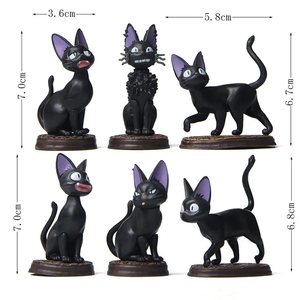
6 PCS/SET Kiki's Delivery Service Micro Landscape Decor
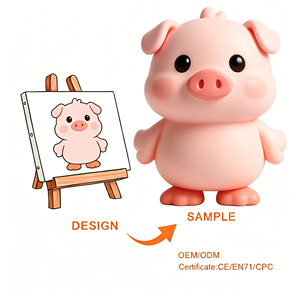
Custom Pink Pig PVC Action Figure Blind Box Collectible
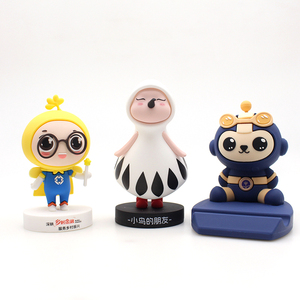
OEM Collectible 3D Resin & PVC Art Toy Prototype
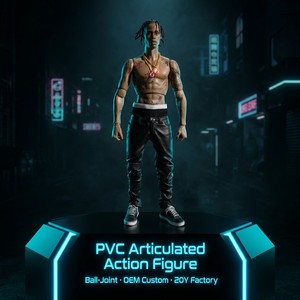
Anime Style Multi-Joint Articulated Action Figure
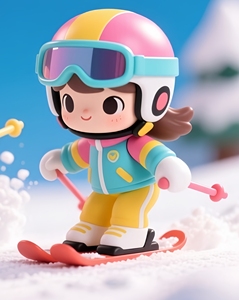
Custom Soft Vinyl Plastic Designer Art Figurine
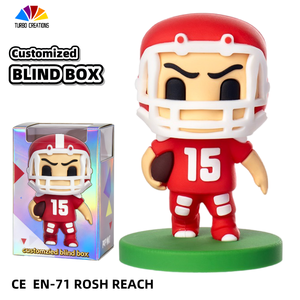
Mini 3D Anime Couple Figurine with Foil Mystery Bag
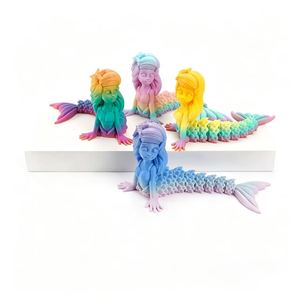
3D Printed Eco-Friendly PLA Jointed Mermaid Toy
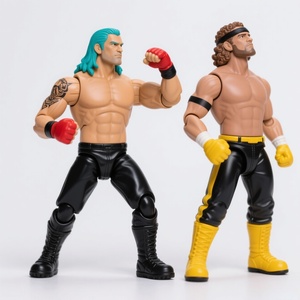
High Dynamic Impact Sport Wrestler PVC Action Figurine
The Dominance of China Plastic Toy Industrial Clusters
An executive procurement breakdown of China's plastic manufacturing ecosystem, explaining why 75% of global plastic toys originate from specialized industrial clusters like Shantou Chenghai, Dongguan, and Ningbo.
Strategic Value Realization for International Toy Buyers
Sourcing plastic toys from premier Chinese factories offers unparalleled economies of scale, hyper-specialized vertical supply chains, and state-of-the-art polymer engineering capabilities. The plastic toy ecosystem in China has evolved beyond simple injection molding into an end-to-end technological powerhouse. Modern Chinese manufacturers integrate advanced CAD/CAM reverse engineering, SLA/DLP 3D rapid prototyping, multi-cavity precision mold design, micro-injection processing, and automated tampo printing under a single unified roof.
By leveraging the localized supply networks in provinces like Guangdong and Zhejiang, importers reduce component lead times by up to 60%. Factories located within these hubs benefit from immediate proximity to raw material compounders, non-toxic masterbatch suppliers, custom packaging printing plants, and accredited third-party testing laboratories (such as SGS, Intertek, and TÜV Rheinland). This structural advantage translates into faster time-to-market, strict chemical trace control, and significantly lower tooling amortization costs for international buyers.
Key Trends Transforming China Plastic Toy Manufacturing
How emerging polymer technologies, regulatory shifts, and consumer preferences for IP collectibles are reshaping contract manufacturing choices.
1. Bio-Based Polymers & Eco-PVC
Strict European Union microplastic directives and the REACH Annex XVII updates are forcing a rapid market transition. Top Chinese factories are adopting bio-based PLA, ocean-recycled ABS, and acetyl tributyl citrate (ATBC) plasticized non-phthalate PVC to meet global net-zero targets without sacrificing tensile strength.
2. Micro-Articulated Engineering
The global surge in adult collector figures and anime model kits demands high-density joint engineering. Advanced suppliers utilize dual-shot injection molding (combining rigid ABS skeletal cores with flexible PVC skins) to produce smooth articulation, high fatigue tolerance, and seamless aesthetic lines.
3. Automated Spray & Tampo Printing
Manual hand-painting is rapidly being replaced by multi-axis robotic spray arms and automated high-definition pad printing machines. This transition yields consistent facial alignment, zero color bleeding, precise pantone matching, and dramatically reduced labor-driven unit costs for high-volume orders.
The Precision OEM/ODM Production Workflow
A transparent look at how leading Chinese exporters transform 2D concept art into mass-produced, safety-certified plastic products.
Digital Sculpting & CAD Design
2D concept sketches converted into high-polygon ZBrush 3D models. DFM (Design for Manufacturing) mold flow simulations are conducted to analyze wall thickness, draft angles, and shrinkage rates.
Rapid Prototyping & Master Approval
High-resolution SLA photopolymer 3D printing creates a golden sample. Physical hand-painted prototypes are submitted to the client for structural, aesthetic, and ergonomic validation.
Precision Tooling & Steel Molds
CNC high-speed milling and EDM spark erosion produce hardened P20 or NAK80 steel molds. Multi-cavity tooling designs maximize output speed while ensuring micron-level part repeatability.
Injection Molding & Mass Decorating
Raw resin pellets (ABS, PVC, PP, PC) are compounded with non-toxic colorants and injected under high pressure. Robot-guided painting, pad printing, and ultrasonic assembly follow.
| Polymer Type | Mechanical Properties | Primary Toy Applications | Regulatory Compliance |
|---|---|---|---|
| Non-Phthalate PVC (Vinyl) | Flexible, durable, high elastic memory, excellent paint adhesion | Action figures, blind box figures, bath toys, anime statues | EN71-3, ASTM F963, REACH Annex XVII |
| ABS (Acrylonitrile Butadiene Styrene) | High impact resistance, structural rigidity, dimensional stability | Building blocks, internal figure skeletons, robot armors | CPSIA, EU Toy Safety Directive 2009/48/EC |
| PP (Polypropylene) | Lightweight, fatigue-resistant living hinges, food-grade safe | Baby rattle parts, container boxes, modular playsets | FDA 21 CFR, ISO 8124 Part 3 |
| Bio-Based PLA (Polylactic Acid) | Biodegradable derive, eco-friendly footprint, rigid structure | Novelty 3D printed toys, eco-conscious desktop displays | EN 13432 Compostability Standard |
Industrial Manufacturing Capabilities & Service Integrity
We combine decades of factory floor experience with modern international trading standards to deliver zero-risk procurement for overseas buyers.
Turnkey OEM & ODM Customization
From initial napkin sketches to complete retail packaging, our engineering team handles every step. We offer complete customization of scale, articulation, paint finishes, blind box mystery packaging, and POP retail display solutions.
Rigorous Multi-Stage QA/QC Inspections
Every production batch undergoes AQL 1.5/4.0 inspection standards. We perform tensile joint pull testing, heavy metal migration chemical testing, sharp edge evaluations, and drop test simulations prior to container loading.
Intellectual Property (IP) Protection Guarantees
We treat custom client artwork and mold tooling with strict confidentiality. Non-Disclosure Agreements (NDAs) are signed prior to CAD file sharing, ensuring your proprietary IP and custom molds are never leaked or re-sold.
Competitive Factory-Direct Tier Pricing
Eliminate middleman markups by dealing directly with our production facility. By optimizing mold cavity efficiency and maintaining long-term polymer supplier contracts, we provide top-tier quality at highly competitive FOB/CIF prices.
Frequently Asked Questions by International Toy Importers
Clear, direct answers regarding minimum order quantities, tooling costs, safety testing protocols, and international shipping logistics.
Q: What is the standard Minimum Order Quantity (MOQ) for custom plastic toys?
Our standard MOQ for custom plastic action figures and injection molded toys typically ranges between 1,000 to 3,000 units per design, depending on figure size, material choice (PVC vs. ABS), and paint complexity. For 3D printed eco-PLA items or pre-existing factory molds, lower MOQs starting at 500 units can be accommodated.
Q: How long does the custom mold tooling process take, and who owns the mold?
Mold fabrication generally takes between 25 to 35 calendar days from final 3D CAD approval. Steel molds are 100% owned by the client upon full payment. We store and maintain your molds in temperature-controlled environments for future re-orders at zero additional charge, and we never use client molds for unauthorized production runs.
Q: Which safety certifications do your plastic toy products comply with?
All manufactured toys are formulated using non-toxic raw materials tested to meet EN71 (Parts 1, 2, 3), ASTM F963-23, CPSIA (total lead and phthalates), CE marking, California Proposition 65, and REACH compliance. We supply third-party lab testing reports (SGS/Intertek) prior to shipment to guarantee smooth customs clearance in North America, Europe, and Australia.
Q: What is the difference between PVC, ABS, and Vinyl in figure production?
PVC is highly versatile and ideal for fine facial features and flexible clothes; ABS is rigid and used for structural skeletons, weapons, and snap-fit joints; Vinyl (rotocast hollow PVC) is lightweight and ideal for larger designer art figures or savings banks. Most premium action figures use a hybrid assembly combining ABS core joints with PVC exterior parts.
Q: How are sample approvals handled before mass production begins?
We follow a strict 2-step sampling process: First, a grey 3D resin prototype is sent for dimensional and anatomical shape approval. Second, after steel tooling is cut, a T1 painted pre-production sample (PP sample) using actual mass production materials is delivered for final client sign-off before mass injection begins.
Q: What shipping terms and export logistics support do you provide?
We support EXW, FOB (Shenzhen/Ningbo/Guangzhou), CFR, CIF, and DDP (Delivered Duty Paid) terms. Our export division manages export documentation, customs filings, drop-test compliant master carton packing, and direct delivery to your warehouse or Amazon FBA fulfillment centers globally.
Ready to Turn Your Plastic Toy Designs into Market-Ready Products?
Contact our engineering sales team today for immediate DFM feedback, instant tooling estimates, and factory-direct volume quotes. Experience world-class OEM/ODM plastic manufacturing.