High-Demand Custom Stuffed Animals & Plush Collections
Engineered to meet international safety guidelines (EN71, ASTM F963, CPSIA). Sourced by global retail brands, boutique toy labels, and wholesale distributors.
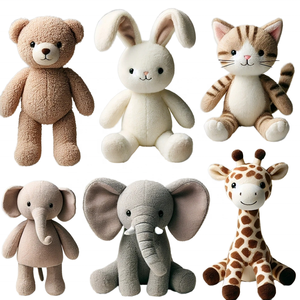
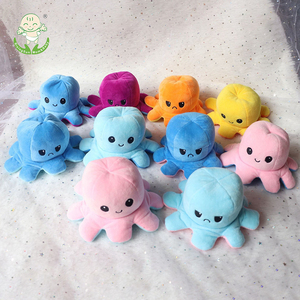
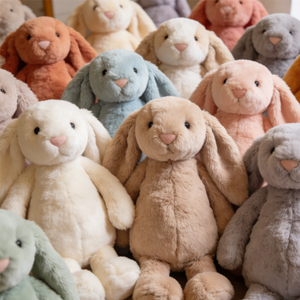
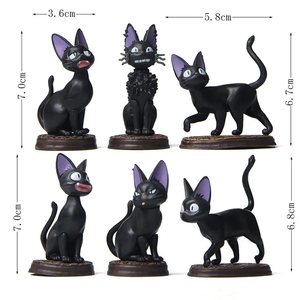
Why Leading Global Toy Brands Trust Our OEM/ODM Ecosystem
Operating direct manufacturing hubs and 20+ audited partner facilities in Vietnam to deliver robust supply chain resilience, tariff benefits, and strict compliance.
Full-Spectrum OEM / ODM / OBM Support
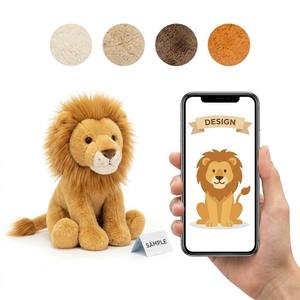
From 2D character concept sketching and 3D plush pattern modeling to automated precision cutting, embroidery, stuffing, and retail packaging development.
Rigorous Global Safety Certifications
Strict adherence to EN71 (Parts 1, 2, 3), ASTM F963, CPSIA, CE marking, ISO 9001 quality management, and REACH toxicological standards for zero infant risk.
Vietnam Supply Chain Advantage
Strategic manufacturing footprint in Vietnam offering tariff mitigation, competitive labor efficiencies, low MOQ flexibilities, and optimized maritime logistics to North America & Europe.
Strategic Guide to Custom Stuffed Animal Manufacturing & Global Sourcing (2025–2030)
The global stuffed animals and plush toys market is experiencing a structural paradigm shift. Driven by surging consumer demand for sustainable textiles, therapeutic sensory features, and stringent infant chemical safety, procurement directors and brand managers are re-evaluating their Asian manufacturing partnerships. This whitepaper analyzes critical quality control protocols, material engineering breakthroughs, and supply chain strategies required to maintain brand equity and retail margins in modern plush toy manufacturing.
Comparative Matrix: Plush Material Performance & Compliance Benchmarks
To optimize product design and safety profiles, industrial buyers must align plush fabric specifications with target demographic age-grading and regulatory frameworks.
| Plush Fabric Category | Technical Fiber Composition | Tensile Seam Strength | Eco-Certification Standard | Primary Commercial Application |
|---|---|---|---|---|
| Recycled Polyester (rPET) Plush | 100% Post-Consumer Plastic Bottles | > 95 N (ISO 13935-2) | GRS (Global Recycled Standard) / OEKO-TEX 100 | Sustainable Retail & Corporate OEM Collections |
| Organic Velour & Minky | 100% GOTS Certified Cotton | > 85 N | GOTS / USDA Organic / EN71-3 Clean | Infant & Toddler Teething / Bedtime Soft Toys |
| High-Pile Faux Fur | Acrylic & Polyacrylonitrile Blend | > 110 N | REACH Heavy-Metal Free / Flammability Class 1 | Realistic Wildlife & Collectible Plush Dolls |
| Therapeutic Weighted Plush | Dense Micro-Velvet + Non-Toxic Beads | > 130 N (Double Stitched) | FDA / Microwave Heated Safety Standard (BS 8433) | Stress-Relief, Weighted & Microwaveable Plush |
Future Procurement Trends in Stuffed Animal Manufacturing
As search intent shifts from generic "cheap plush factory" queries to highly specific technical evaluations like "GRS certified rPET plush manufacturer" and "microwaveable weighted plush OEM", B2B procurement strategies are pivoting around three core pillars:
1. Circular Economy & GRS-Certified Fibers
Regulatory mandates in the European Union (such as the Ecodesign for Sustainable Products Regulation) and North America are forcing toy brands to phase out virgin petroleum-based synthetic fabrics. Modern plush factories must integrate GRS-certified recycled polyester (rPET) derived from post-industrial and post-consumer plastic bottles. Both the exterior pile fabric and the interior blown fiberfill must comply with strict trace-ability verification to prevent greenwashing risks.
2. Functional & Therapeutic Toy Innovations
The plush segment has expanded beyond traditional playthings into wellness, anxiety relief, and sensory development. Key high-growth categories include:
- Weighted Plush Toys: Incorporating food-grade glass beads or ceramic pellets enclosed in inner security chambers to provide deep touch pressure therapy for children and adults.
- Microwaveable & Thermal Plush: Utilizing specially treated natural grains (such as cleaned flaxseed or lavender-infused inserts) engineered to withstand repeated microwave heating cycles without degradation or hot-spot safety hazards.
- Sensory & Mood Interactive Plush: Reversible flip-designs, integrated squeakers, sensory crinkle paper linings, and textured silicone teethers integrated directly into soft toy limbs.
3. Supply Chain Diversification: The Vietnam Sourcing Pivot
Global brands are aggressively diversifying their supply chains away from single-region concentration. Vietnam has established itself as the premier manufacturing hub for complex soft goods and stuffed animals due to several structural advantages:
- Favorable Trade Agreements: Zero or reduced tariff structures under the EVFTA (EU-Vietnam Free Trade Agreement) and CPTPP.
- Skilled Textile Craftsmanship: Highly adept sewing technician workforce capable of intricate hand-stitching, detailed facial embroidery, and complex plush pattern sculpting.
- Integrated Port Logistics: Direct container routes from major Vietnamese ports (such as Haiphong and Ho Chi Minh City) to Western seaports, shortening transit times.
Manufacturing Development Trends & Quality Assurance Protocols
Ensuring absolute safety for children's toys requires non-negotiable engineering controls throughout the production lifecycle. A world-class plush factory operates under continuous quality assurance checkpoints:
1. Sub-Surface Metal Detection
Every single stuffed animal must pass through multi-head conveyor metal detectors calibrated to detect broken needle fragments down to 0.8mm before final carton sealing.
2. Mechanical Pull Tension Testing
Plastic safety eyes, nose attachments, and small ornamental appendages undergo constant 90-Newton (9kg) force tension testing to eliminate choking hazards.
3. Toxicological & Chemical Screening
Batch testing of dyes, prints, and fillings to verify total lead content (<90ppm), phthalates (<0.1%), and zero toxic azo dyes under REACH and CPSIA standards.
In addition to physical safety, advanced manufacturing plants utilize CAD pattern software and automated laser fabric cutters. Laser cutting seals the edges of synthetic plush fabrics instantly, eliminating raw edge fraying and ensuring micro-precision consistency across mass production batches of thousands of units.
Frequently Asked Questions for Stuffed Animal Sourcing
Clear, authoritative technical answers to streamline your B2B procurement process, custom prototyping, and compliance workflows.
Our standard production MOQ typically starts at 1,000 pcs per design, depending on size and fabric availability. For custom-dyed Pantone fabrics or specialized plush molds, MOQs may adjust to 2,000 pcs. We also offer flexible trial order volumes for innovative startup brands.
Once 2D artwork or reference photos are approved, initial 3D plush sample development takes approximately 5 to 7 business days. Upon receiving client feedback, sample revisions take 3 to 5 days. Pre-production samples are dispatched via express courier (DHL/FedEx) for final sign-off.
All products are custom-manufactured to meet or exceed EN71 Parts 1, 2 & 3 (Europe), ASTM F963 (United States), CPSIA (US Lead & Phthalates), CCPSA (Canada), and AS/NZS ISO 8124 (Australia). Third-party testing reports from accredited labs (SGS, TÜV Rheinland, Intertek) are provided prior to shipment.
Yes. We specialize in weighted plush toys utilizing isolated inner lining pouches filled with food-grade ceramic beads, natural flaxseed, or non-toxic glass microbeads. Thermal microwaveable plush items are tested under BS 8433 standards to ensure heat retention safety and flame resistance.
We supply 100% GRS (Global Recycled Standard) certified rPET plush fabrics made from recycled water bottles, organic GOTS-certified cotton, and biodegradable fiberfills. All eco-materials come with transaction certificates (TC) to verify supply chain authenticity for your retail packaging disclosures.
We execute legally binding Non-Disclosure Agreements (NDAs) prior to receiving design files. Your proprietary plush molds, embroidery patterns, and branded artwork are strictly safeguarded and will never be resold, showcased, or distributed to third-party buyers without written authorization.
We offer full-service custom packaging engineering, including printed hangtags, woven labels, polybags with suffocation warnings, color display window boxes, eco-friendly kraft packaging, and vacuum-compressed bulk packing to dramatically reduce overseas freight shipping volumes.
Mass production typically requires 30 to 45 days after pre-production sample approval and deposit receipt. Ocean freight shipping from Vietnam to North American ports takes approximately 18–25 days, and 25–35 days to European main ports. Air freight options are available for tight deadlines.
Ready to Build Your Custom Stuffed Animal Line?
Partner with Vietnam's leading certified plush toy factory. Speak directly with our engineering and sourcing team today to request instant factory-direct pricing, material swatch kits, and OEM quotes.
Contact Us