Export-Ready Educational & Custom Toy Portfolio
Direct factory solutions audited for structural integrity, non-toxic chemical standards, and early childhood developmental value.
Navigating the New Zealand Educational Toy Import Landscape: An Engineering & Supply Chain Guide
Technical compliance, ergonomic design mandates, and macroeconomic shifts defining the Kiwi baby and toddler product sector.
The New Zealand early childhood education (ECE) and toy retail ecosystem operates under some of the world's most stringent safety standards and distinct pedagogical expectations. B2B buyers—ranging from major enterprise chains like The Warehouse and Toyworld to independent boutique stockists and ECE procurement networks—require manufacturing partners who understand more than just basic production. They demand verifiable compliance with AS/NZS ISO 8124, eco-material alignment with local environmental values, and resilient supply chain logistics capable of navigating Oceania shipping channels efficiently.
Key Takeaway for B2B Importers:
Non-compliant toy imports face immediate seizure by New Zealand Customs under the Consumer Products Safety Order. Working directly with a certified OEM/ODM factory that handles pre-shipment mechanical, physical, and heavy-metal testing eliminates regulatory liabilities while optimizing landed cost per unit.
AS/NZS ISO 8124 Part 1
Focuses on physical and mechanical properties. Importers must guarantee toys intended for children under 36 months contain no choke-hazard small parts (tested via the 31.7mm truncated cylinder protocol), sharp points, or bite-resistant detachability risks under 70N tension testing.
AS/NZS ISO 8124 Part 3
Regulates the migration of certain elements (Lead, Antimony, Arsenic, Barium, Cadmium, Chromium, Mercury, Selenium). Our state-of-the-art paint and plastic formulation lines ensure chemical dissolution limits are maintained far below statutory maximum parts-per-million (PPM).
Phthalates & Environmental Mandates
New Zealand's market heavily favors non-toxic, eco-aligned plastic formulations (DEHP, DBP, and BBP under 0.1%). We utilize bio-based PLA and recyclable virgin PVC resins to meet both regulatory and consumer sustainability criteria.
OEM Factory Technical Specifications & Quality Protocols
Below is a breakdown of our standardized manufacturing controls applied to all baby and toddler products bound for the New Zealand territory.
| Manufacturing Parameter | Standard OEM Standard | New Zealand Market Requirement | Quality Assurance Protocol |
|---|---|---|---|
| Material Composition | Food-Grade ABS, Virgin PVC, Bio-PLA, FSC Wood | AS/NZS ISO 8124.3 Chemical Compliant | X-Ray Fluorescence (XRF) Spectrometry Inspection |
| Mechanical Durability | High-Impact Drop Test (1.5m to Concrete) | AS/NZS ISO 8124.1 Drop & Impact Standard | Pneumatic Automated Repeated Drop Rig |
| Color Fastness & Saliva Resistance | Grade 4.5 Non-Leaching Pigment Seal | DIN 53160 Saliva/Sweat Resistance Equivalent | Chemical Extraction Bathing & Abrasion Test |
| Small Parts Prevention | Zero Detachable Components below 36 Months | Unobstructed Passage in Small Parts Cylinder | 70N Tensile Pull Tester & Torque Gauge |
| Logistics Packaging | 5-Ply Corrugated Outer Cartons + Moisture Shield | ISPM 15 Wood Packaging Compliance for NZ Biosecurity | Bursting Strength & Drop-Box Vibration Testing |
Localized Application Scenarios in New Zealand
Designing and engineering toys that integrate into local pedagogical frameworks and lifestyle environments across the North & South Islands.
Te Whāriki Early Childhood Integration
New Zealand’s national ECE curriculum, Te Whāriki, emphasizes open-ended exploration, sensory discovery, and physical empowerment. Educational toys manufactured by our facility are tailored for tactile feedback, spatial manipulation, and group play—empowering childcare providers in Auckland and Wellington with long-lasting classroom assets.
Rugged Outdoor & Coastal Play Readiness
Kiwi parents prioritize active outdoor lifestyles. Toys designed for garden play, sandpits, and daycare yards require UV-stabilized polymers that resist color fading and brittleness under New Zealand's intense solar indices. Our outdoor toy line incorporates specialized anti-UV additives to guarantee structural resilience.
Eco-Luxe Private Label Retail Lines
Consumer buying habits across Christchurch and Queenstown show high demand for minimalist, Montessori-inspired wooden and muted-tone silicone toys. We support private-label brands with custom pantone matching, plastic-free kraft packaging, and FSC-certified timber sourcing for premium retail placement.
Factory Engineering & Export Infrastructure
Why leading global distributors and New Zealand importers select our OEM/ODM manufacturing facility.
Precision Injection Molding & Prototyping
Operating advanced multi-cavity injection molding equipment alongside high-resolution SLA/DLP 3D printers, our factory translates CAD drawings into physical prototypes in as few as 5 to 7 working days. Mold tolerances are held within ±0.01mm, ensuring exact part fitment and smooth surface finishes free of flashing or sharp sprues.
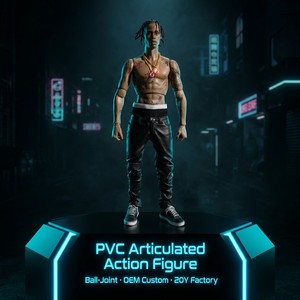
Whether developing proprietary sensory blocks, stacking rings, or articulated action figures, our tooling engineers optimize wall thickness to minimize sink marks while reducing material weight for economical sea freight tariffs.
End-to-End Quality Control & Biosecurity
Exporting to New Zealand requires adherence to strict Ministry for Primary Industries (MPI) biosecurity protocols. All organic raw materials, such as solid wood or natural rubber, undergo certified kiln drying and fumigation.
Our multi-stage QC pipeline includes incoming raw material testing (IQC), in-process visual/mechanical checks (IPQC), and 100% final batch inspection (FQC) prior to container loading at port. Full batch traceability reports and certificates of analysis (CoA) accompany every bill of lading.
Frequently Asked Questions by New Zealand Buyers
Clear insights into procurement logistics, customization options, and statutory compliance.
Partner with a Certified Educational Toy Exporter Today
Request a comprehensive product catalog, schedule a video factory audit, or obtain an instant freight-inclusive quotation for your target import volume into New Zealand.