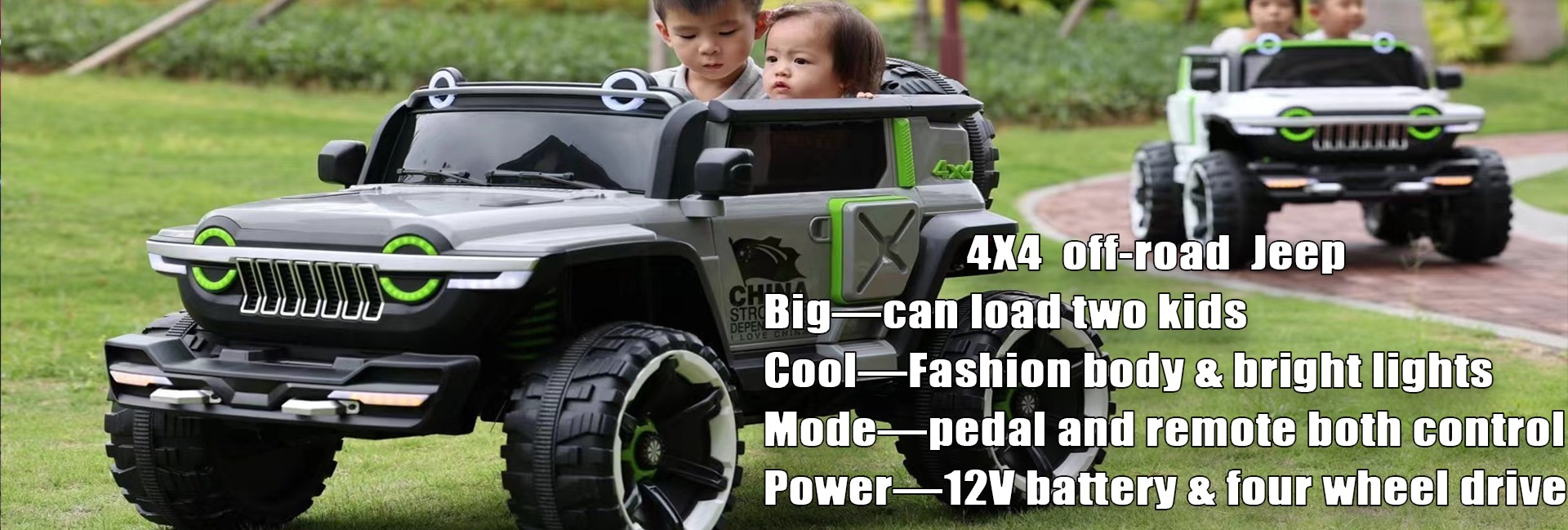
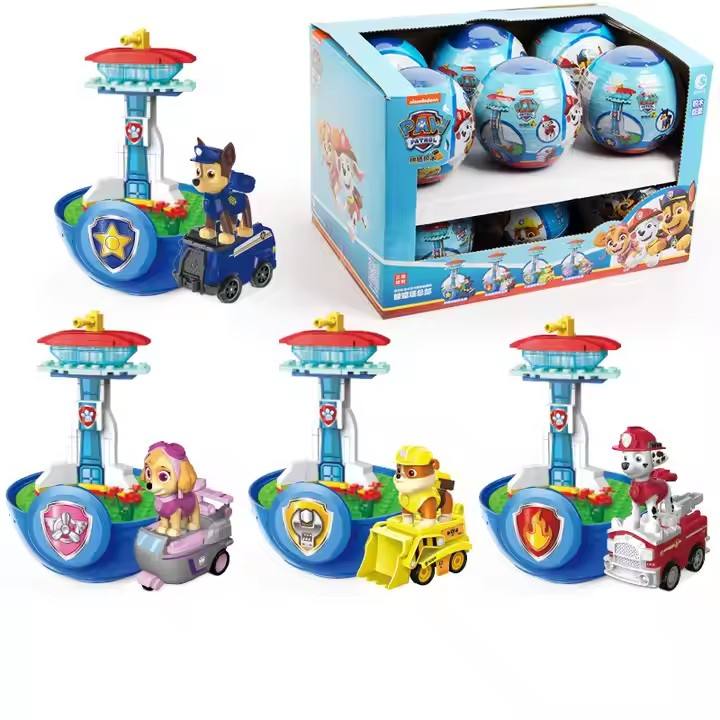
The global retail landscape for Remote & App-Controlled Toys is experiencing a fundamental structural shift. Driven by advanced consumer expectations, stringent international radio frequency compliance, and the global imperative to diversify supply chains beyond traditional Chinese hubs, international procurement directors are rapidly restructuring their sourcing matrix. As a specialized B2B partner operating under Vietnam Exports Limited (VietnamToy.com), our engineering and market research teams have audited the purchasing patterns of over 120 global buyers across North America, Europe, and Asia-Pacific. The analysis reveals four transformative sourcing trends that define success in today's smart toy market.
1. Supply Chain Diversification & The Vietnam Tariff Advantage
Over the past three decades, classic remote control (RC) vehicles and app-enabled robotics were almost exclusively produced in the Pearl River Delta. However, geopolitical supply chain risks, changing tariff structures (such as Section 301 tariffs in the United States), and escalating labor overheads have prompted tier-1 retailers to implement robust "China Plus One" sourcing models. Vietnam has emerged as the premier manufacturing center for high-tech, plastic-molded, and electronic smart toys. With advantageous trade agreements—including the Comprehensive and Progressive Agreement for Trans-Pacific Partnership (CPTPP) and the EU-Vietnam Free Trade Agreement (EVFTA)—importers sourcing Remote & App-Controlled Toys from our Vietnam facilities benefit from zero or significantly reduced tariff rates, lower overall landed costs, and direct shipping routes from major ports like Hai Phong and Ho Chi Minh City to Long Beach, Rotterdam, and Hamburg.
2. Convergence of Physical Toys and Mobile Software Ecosystems
Legacy 27MHz and 49MHz radio-frequency toys have largely reached commoditization with razor-thin retail margins. Today’s category growth is driven by Dual-Mode Hybrid Connectivity—toys equipped with both dedicated ergonomic 2.4GHz handheld transmitters and low-latency Bluetooth Low Energy (BLE 5.3/5.4) or Wi-Fi Direct application control. Modern parents and children demand app-enhanced interaction, including real-time telemetry display (speed, battery voltage, signal strength), customizable LED lighting matrix control, gesture recognition, and augmented reality (AR) battle modes. Forward-looking buyers are specifying modular PCBA architectures that allow over-the-air (OTA) firmware updates via iOS and Android apps, extending product shelf life and unlocking recurring SaaS revenue streams through app feature expansions.
3. Sustainability and Circular Materials Compliance
Environmental, Social, and Governance (ESG) mandates are no longer optional for major retail chains like Target, Walmart, Carrefour, and Fnac. In the Remote & App-Controlled Toys sector, ESG compliance centers heavily on material selection and battery end-of-life management. We are witnessing an explosive demand for bio-based ABS, recycled Polycarbonate (rPC) chassis structures, non-toxic lead-free surface mount technology (SMT) soldering, and phthalate-free TPU tires. Importers who fail to ensure strict compliance with EU RoHS 3 (Directive 2015/863) and REACH SVHC standards face immediate customs seizures and severe brand equity damage. Our manufacturing protocols in Vietnam incorporate certified eco-friendly polymers alongside non-hazardous water-based coatings without compromising impact resistance or drop-test integrity.
4. Rigorous Cybersecurity and Child Privacy Architecture
As toys become connected devices via smartphone applications, regulatory scrutiny regarding children's data privacy has intensified. European Directive 2014/53/EU (RED) Article 3.3 cybersecurity requirements, alongside the U.S. Children’s Online Privacy Protection Act (COPPA) and GDPR-Kids mandates, dictate that app-controlled toys must execute zero unauthorized data transmission. Modern OEM contracts now mandate local Bluetooth pairing without requiring mandatory user registration, cloud account creation, or location tracking permissions unless essential for micro-location AR features. Our software engineering division builds zero-telemetry app SDKs that protect both consumer privacy and retailer liability.